Now Reading: Sujanpur Civic Election Controversy: BJP Calls For Annulment of Top Posts
-
01
Sujanpur Civic Election Controversy: BJP Calls For Annulment of Top Posts
Sujanpur Civic Election Controversy: BJP Calls For Annulment of Top Posts

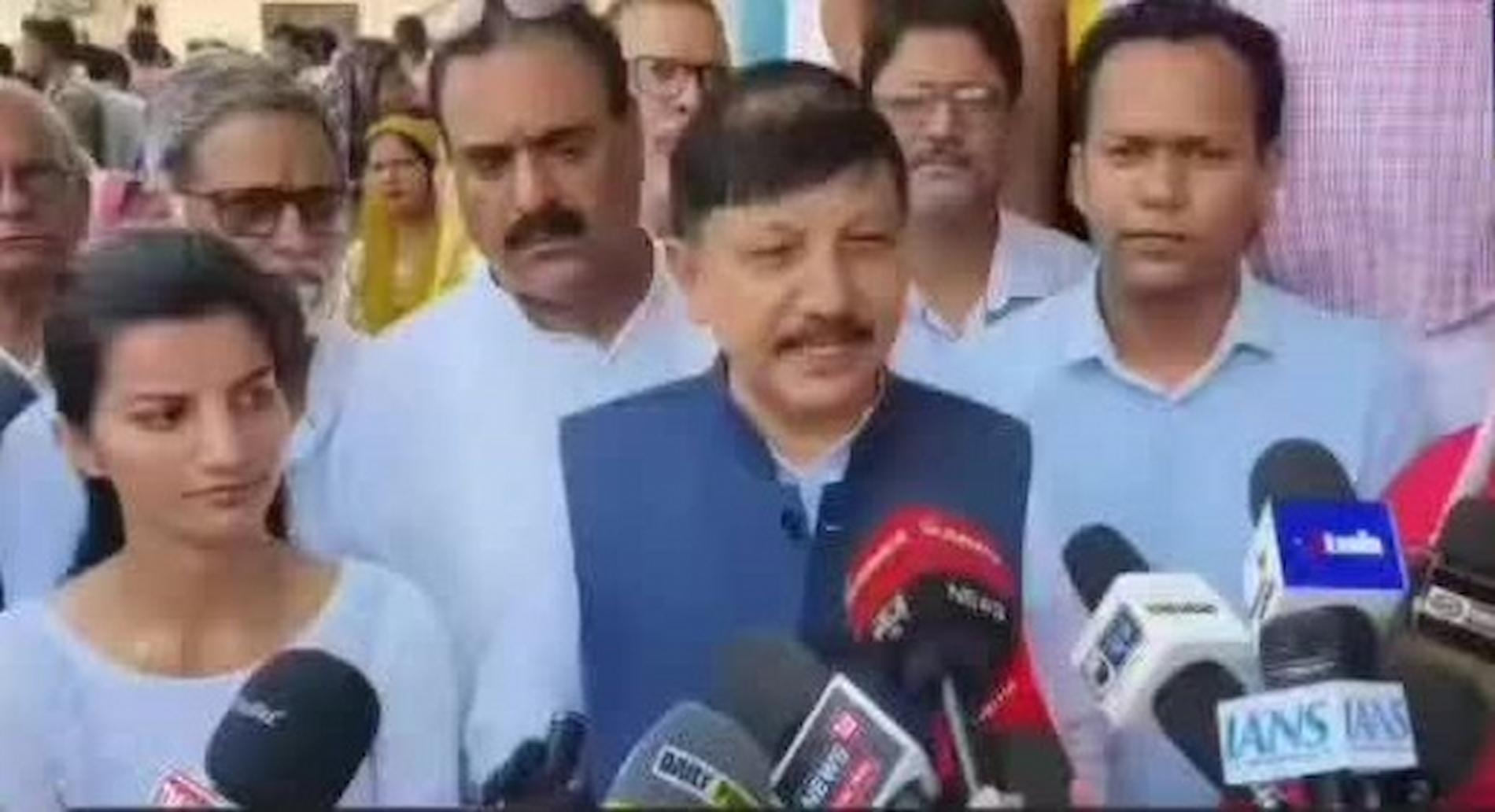
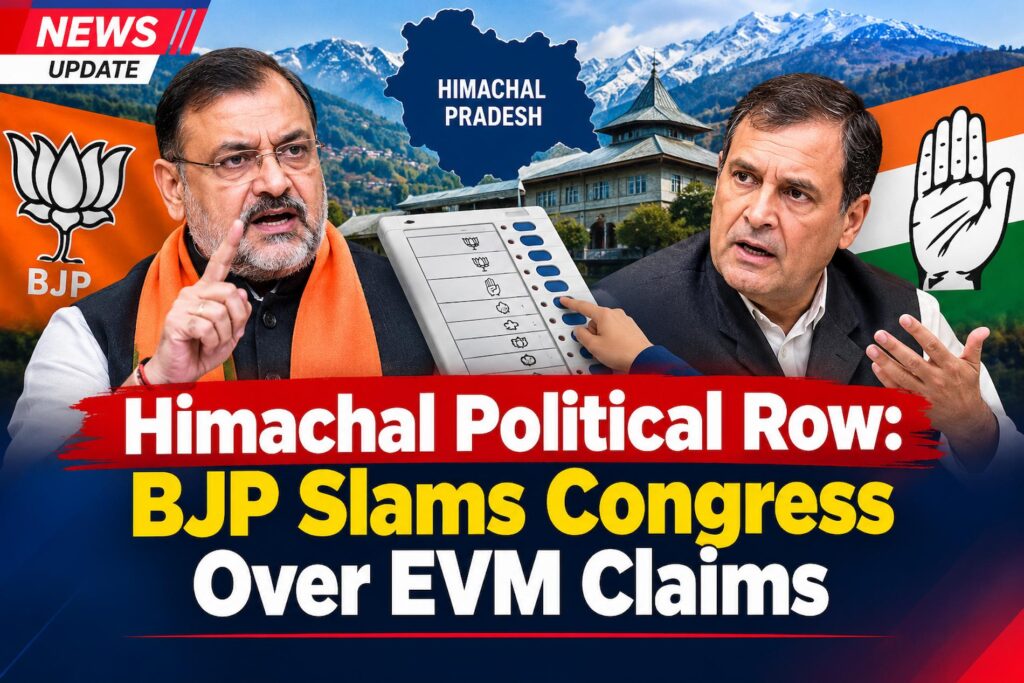
Political tensions have escalated in Himachal Pradesh after BJP leaders challenged the election of the Municipal Council President and Vice-President in Sujanpur. Alleging violations of statutory procedures and democratic norms, the opposition party has launched protests, submitted memorandums, and demanded fresh elections. The dispute has now emerged as one of the most closely watched local political controversies in the state.
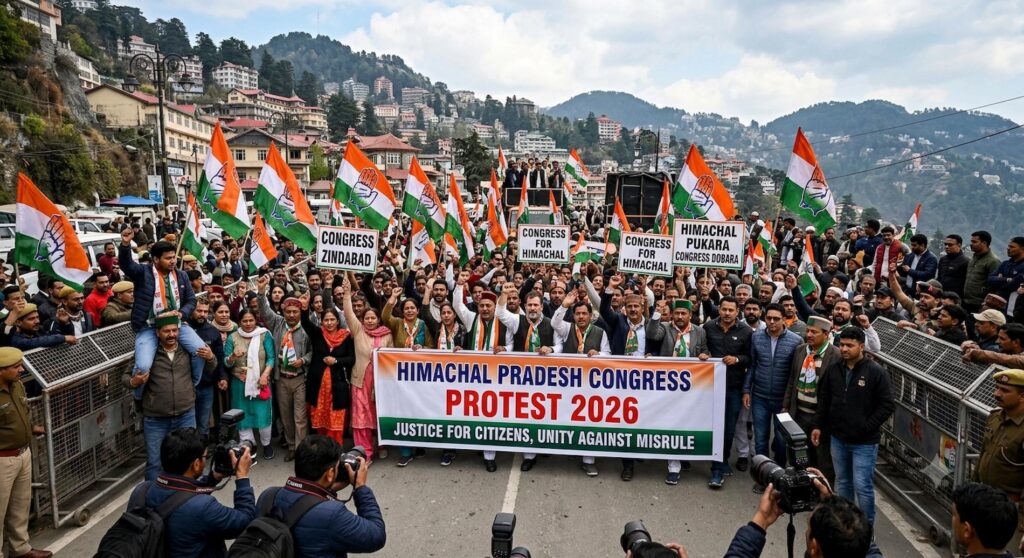
The Sujanpur Civic Election Controversy has become a major issue in Himachal political news, drawing attention to questions surrounding electoral procedures, local governance, and political accountability. On June 24, 2026, BJP councillors and party workers staged demonstrations in Sujanpur, located in Hamirpur district, demanding the cancellation of the election of the Municipal Council President and Vice-President.
At the center of the dispute is the Sujanpur Municipal Council election, which BJP leaders claim was conducted in violation of legal provisions outlined in the Himachal Municipalities Act 1994. The controversy has triggered a fresh round of political confrontation between the Bharatiya Janata Party and the ruling Congress government in the state.
Takeaway
Key Highlights at a Glance
- BJP workers and councillors organized a protest on June 24, 2026, in Sujanpur, Hamirpur district, demanding the cancellation of the municipal leadership election.
- Former MLA and BJP spokesperson Rajendra Rana BJP led the agitation against the election process.
- BJP alleged that voting was conducted through a show of hands instead of a secret ballot, violating Section 52(3) of the Himachal Municipalities Act 1994.
- A memorandum was submitted to the Governor through the Deputy Commissioner of Hamirpur seeking annulment of the election and fresh voting.
- Four BJP-backed councillors separately approached the SDM and Returning Officer, challenging the election process.
- The dispute comes amid ongoing legal debates involving municipal leadership elections, including High Court and Supreme Court proceedings regarding MLA voting rights.
Background of the Sujanpur Election Dispute
The latest municipal election dispute Himachal emerged shortly after the election of the Municipal Council President and Vice-President in Sujanpur. BJP leaders alleged that the process failed to comply with statutory requirements and democratic standards.
According to the opposition party, the administration opted for a public show of hands rather than a secret ballot. This allegation has become the central element of the Sujanpur president election controversy and has fueled demands for fresh elections.
The issue has also gained prominence in Hamirpur district news, where local political developments often carry broader significance for state-level politics.
BJP’s Main Allegations Against the Election Process
Former MLA and party spokesperson Rajendra Rana, BJP, emerged as the leading voice behind the protest movement.
Rana argued that the election procedure violated legal safeguards intended to ensure independent decision-making by elected representatives. BJP leaders claimed that elected councillors should have been allowed to cast their votes confidentially rather than publicly.
The opposition described the process as unfair and politically influenced, accusing authorities of undermining democratic principles.
As a result, the issue has evolved into a significant chapter in Himachal election controversy 2026 discussions.
Legal Basis of BJP’s Objections
Section 52(3) of the Municipalities Act
The BJP’s argument is primarily based on Section 52(3) of the Himachal Municipalities Act 1994.
According to the party’s interpretation of the law, elections for municipal presidents and vice-presidents should be conducted through secret ballots. BJP leaders insist that secret voting protects elected representatives from external pressure and ensures the independence of their choices.
The alleged departure from this provision has become the foundation of the ongoing secret ballot controversy.
Why Secret Ballot Matters
Supporters of the BJP’s position argue that confidential voting:
• Protects elected representatives from political pressure.
• Strengthens democratic decision-making.
• Promotes fairness and transparency.
• Encourages independent voting choices.
• Reduces concerns regarding influence from political leadership.
These arguments have been repeatedly highlighted during demonstrations and public statements.
Allegations Directed at the State Government
The controversy has also intensified the broader political rivalry between the BJP and Congress.
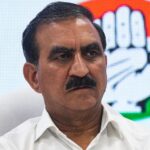
Rana accused the administration of acting under pressure from Chief Minister Sukhvinder Singh Sukhu and local Congress leaders. According to BJP representatives, established constitutional and legal procedures were bypassed to secure a preferred outcome.
The party described the process as politically motivated and undemocratic, further escalating the BJP vs Congress Himachal confrontation.
These allegations have become a major topic in Himachal BJP news and discussions surrounding local governance.
Protest Demonstrations in Hamirpur
Key Features of the Protest
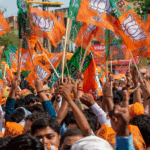
The June 24 demonstrations attracted BJP workers, councillors, and supporters from across the region.
Key developments included:
• Public protests in Sujanpur and surrounding areas.
• Slogans raised against the state government.
• Participation by local BJP leaders and supporters.
• Submission of official memorandums.
• Public criticism of the election procedure.
• Reported burning of an effigy during the protest.
Party leaders framed the agitation as a defense of democratic practices in Himachal civic body elections.
The protests have further increased attention on Hamirpur’s political developments, particularly as local governance issues gain statewide visibility.
Memorandum Submitted to the Governor
One of the most significant actions taken by BJP leaders was the submission of a memorandum addressed to the Governor.
The document was delivered through the Deputy Commissioner of Hamirpur and outlined several demands.
BJP’s Key Demands
• Immediate annulment of the election results.
• Conduct of fresh elections under proper legal procedures.
• Investigation into alleged procedural violations.
• Action against officials responsible for the disputed process.
• Assurance of compliance with municipal election laws.
The submission has become a focal point of the BJP memorandum Governor Himachal campaign.
Separate Challenge by BJP Councillors
Apart from the party’s official memorandum, four BJP-supported councillors pursued an independent legal and administrative challenge.
The councillors submitted representations to:
• The Sub-Divisional Magistrate (SDM).
• The Returning Officer responsible for the election.
In their memorandum, they described the election process as unconstitutional and requested immediate cancellation of the results.
Their actions have added another dimension to the Sujanpur vice president election dispute and increased pressure on local authorities.
Broader Legal Context in Himachal Pradesh
The controversy unfolds against the backdrop of ongoing legal debates regarding municipal elections in the state.
High Court Order of June 4, 2026
The Himachal Pradesh High Court ruled that MLAs serving as ex-officio members could not participate in voting for municipal presidents and vice-presidents.
The decision sparked widespread discussion among political observers and legal experts.
Supreme Court Stay on June 15, 2026
The legal situation changed when the Supreme Court stayed the High Court’s interim order on June 15, 2026.
The apex court permitted MLAs to vote as ex officio members while clarifying that their votes would remain subject to the outcome of ongoing legal proceedings.
This legal backdrop has made the current dispute part of a broader conversation about Himachal urban local body elections and electoral governance.
Political Significance of the Controversy
The Sujanpur Civic Election Controversy carries significance beyond a single municipal council election.
The issue highlights growing tensions between major Political parties in Himachal Pradesh and reflects the increasingly competitive political environment following recent local body and Panchayati Raj elections.
For the BJP, the controversy offers an opportunity to position itself as a defender of transparency and democratic norms. For the ruling Congress, the challenge will be to defend the legitimacy of the election process and counter allegations of procedural irregularities.
The debate is expected to remain prominent in Himachal local body politics and may influence future political narratives across the state.
Key Political Stakeholders
Several leaders and institutions have become central to the dispute.
Important Figures and Institutions
• Rajendra Rana
• Chief Minister Sukhvinder Singh Sukhu
• BJP councillors in Sujanpur
• Local Congress leadership
• Governor of Himachal Pradesh
• Deputy Commissioner, Hamirpur
• SDM and Returning Officer, Sujanpur
The actions and responses of these stakeholders will likely shape the next phase of the controversy.
Conclusion
The dispute surrounding the Sujanpur municipal leadership election has evolved into a significant political and legal issue. Allegations regarding voting procedures, demands for fresh elections, and competing interpretations of municipal law have placed the matter at the center of public debate. As authorities review the complaints and political parties continue their campaigns, the outcome could have lasting implications for local governance and electoral practices in the state.
Stay informed with trusted coverage of key political and governance developments shaping public affairs across India.