Now Reading: Himachal Panchayat Elections 2026: Nomination Starts, Voting Scheduled from May 26 to 30
-
01
Himachal Panchayat Elections 2026: Nomination Starts, Voting Scheduled from May 26 to 30
Himachal Panchayat Elections 2026: Nomination Starts, Voting Scheduled from May 26 to 30

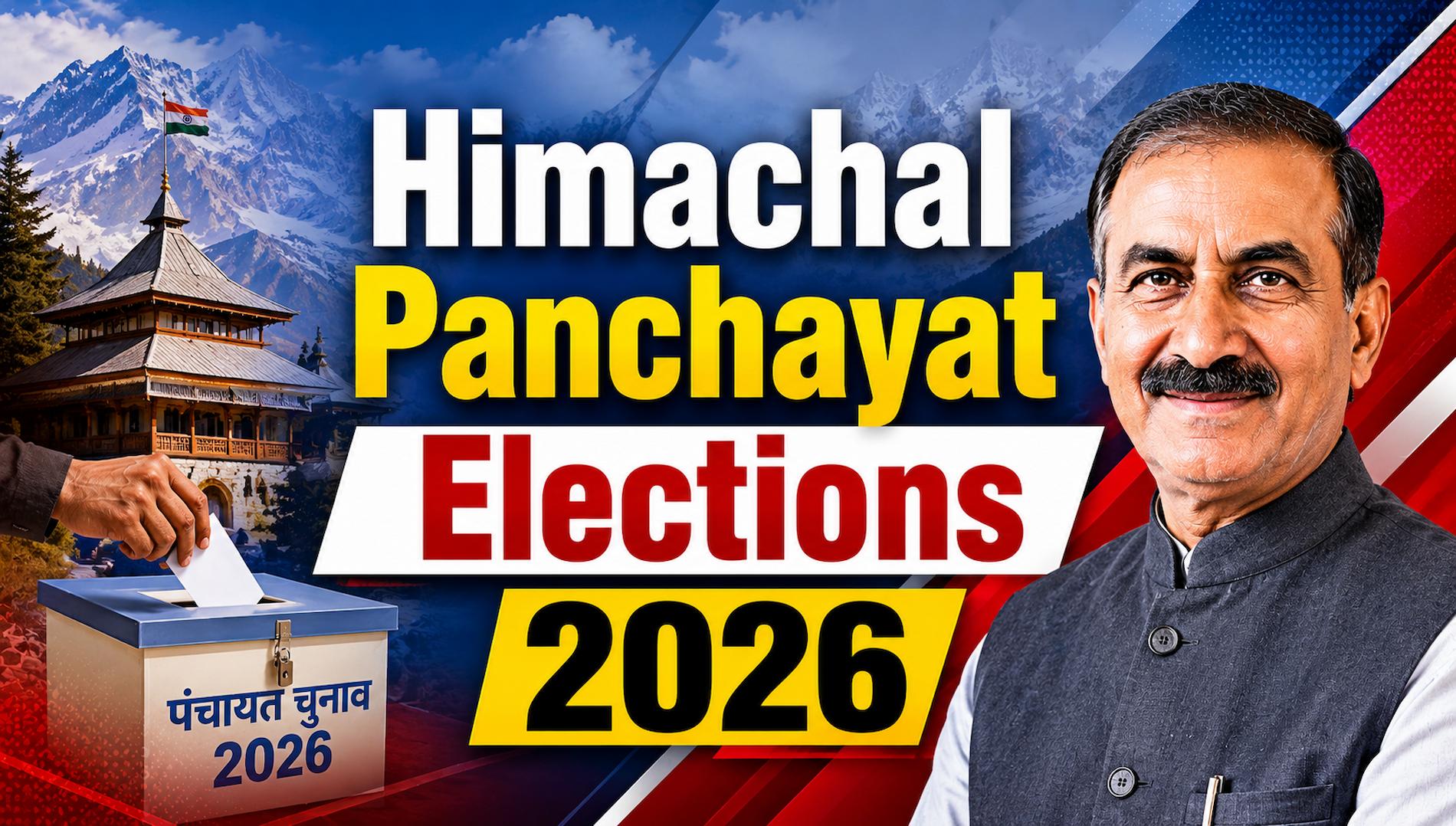
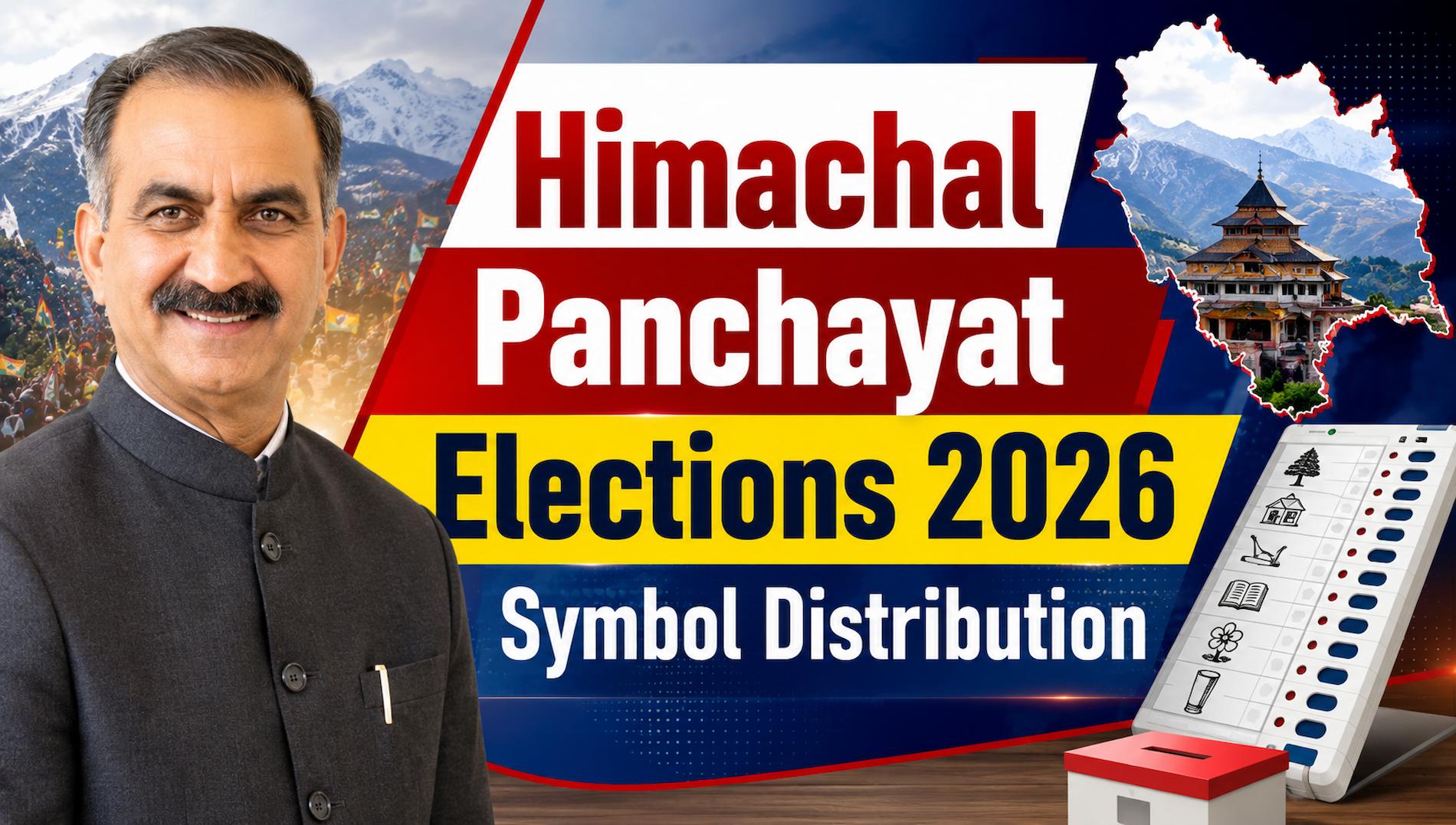
The Himachal Pradesh Panchayat Election 2026 has officially begun, opening a massive grassroots political contest across 12 districts. With nominations underway, over 50 lakh rural voters, three-phase polling, and Congress-BJP rivalry intensifying, these elections are set to shape village governance and become a crucial political barometer before the 2027 Assembly battle.
The 2026 Himachal Pradesh Panchayat Election has formally entered its first critical phase after the Himachal Pradesh State Election Commission announced the full election schedule on April 29, 2026. Led by State Election Commissioner Anil Kumar Khachi, the polls are being conducted under Article 243K of the Constitution and the Himachal Pradesh Panchayati Raj Act, 1994. After judicial scrutiny over election delays, the state’s largest rural democratic exercise is now positioned as both a governance necessity and a political battleground. From May 7 nominations to voting on May 26, 28, and 30, these elections will decide control over more than 31,000 grassroots posts. For the ruling Congress government under Sukhvinder Singh Sukhu and the BJP opposition led by Jai Ram Thakur, this is a major rural power test.
Key Takeaways
- Official election notification issued: April 29, 2026
- Constitutional basis: Article 243K and Himachal Pradesh Panchayati Raj Act, 1994
- Nomination filing dates: May 7, 8, and 11, 2026
- Scrutiny of nominations: May 12, 2026
- Withdrawal dates: May 14–15, 2026
- Final candidate list and symbol allotment: May 15, 2026
- Voting dates: May 26, May 28, and May 30, 2026
- Final Panchayat Samiti and Zila Parishad counting: May 31, 2026
- Total posts: 31,182
- Gram Panchayats involved: 3,754 of 3,758
- Total registered voters: 50.79 lakh
- Male voters: 25,67,770
- Female voters: 25,11,249
- First-time voters: 52,349
- Women-reserved Gram Panchayat Pradhan seats: Around 1,900
Himachal Panchayat Election 2026: Why This Rural Poll Matters
The Himachal panchayat election 2026 is not just a local body election. It is the state’s biggest democratic exercise at the Assembly level and serves as a grassroots political indicator.
These elections cover Gram Panchayats, Panchayat Samitis, and Zila Parishads across all 12 districts. Their scale makes them politically significant for future state and national strategy.
With Congress in power and the BJP aggressively mobilizing, these polls are widely viewed as a semi-final before the 2027 Himachal Assembly election.
Himachal Nomination Process May 2026: Key Dates Explained
The Himachal nomination process May 2026 is central to the electoral roadmap.
Full Schedule
- Notification: April 29
- Nominations: May 7, 8, 11
- Scrutiny: May 12
- Withdrawal: May 14–15
- Final list: May 15
- Voting: May 26, 28, 30
- Final counting: May 31
This structured timeline for the Himachal Pradesh Panchayat Election 2026 ensures transparent administration under the State Election Commission.
Scale of HP Panchayat Elections 2026: One of India’s Largest Rural Polls
The HP Panchayat elections 2026 involve 31,182 elected positions, making it one of northern India’s largest local democratic exercises.
Election Reach
- 3,754 Gram Panchayats
- 12 districts
- 50.79 lakh voters
This includes 52,349 first-time voters, adding fresh electoral energy.
Himachal Pradesh Gram Panchayat Polls and Women’s Political Role
The Himachal Pradesh gram panchayat polls also mark a major step in women’s representation.
Around 1,900 Gram Panchayat Pradhan seats are reserved for women.
The Sukhu government’s reservation roster amendments have added fresh debate, especially around repeated reservation cycles.
This election could significantly reshape rural female political participation.
Key Rural Issues Driving Campaigns
- Forest and government land encroachment
- Village road infrastructure
- Drinking water supply
- Rural healthcare
- Local employment
- Governance transparency
Congress vs BJP: Grassroots Power Test Begins
Current Himachal politics is deeply influencing these officially non-party polls.
Congress
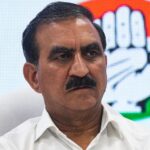
- Led by Chief Minister Sukhvinder Singh Sukhu
- Focus on governance continuity
- Reservation reforms
BJP
- Led by Jai Ram Thakur
- Released district-wise Zila Parishad candidate lists early
- Strong grassroots mobilization
Though many seats are technically non-party based, both major Political parties heavily influence candidate selection.
Himachal Rural Body Elections and Strategic Stakes
The Himachal rural body elections may shape broader political narratives.
A strong Congress performance would reinforce Sukhu’s governance model. A BJP surge could signal early momentum before 2027.
This makes village-level elections politically larger than their administrative label suggests.
Himachal Zila Parishad Elections: Bigger Than Village Politics
The Himachal zila parishad elections are especially critical because district-level outcomes often reflect broader party machinery strength.
BJP’s early candidate announcements indicate serious intent. Congress, meanwhile, is banking on governance delivery.
Election Logistics: Ballot Voting, Security, and High-Altitude Booths
The State Election Commission of Himachal Pradesh has designed extensive logistics.
Polling Details
- Polling hours: 7 AM to 3 PM
- Ballot paper voting
- Color-coded ballots
- Remote stations, including Kaza at 4,579 meters
- Public holidays on all voting dates
This demonstrates the complexity of conducting elections across the Himalayan geography.
Candidate Rules and Spending Limits
- Zila Parishad spending cap: ₹1 lakh
- No cap for Gram Panchayat Pradhan
- No cap for BDC candidates
- Symbol allotment after withdrawal
- Ballot system over EVMs
Gram Panchayat Himachal: Local Governance at the Core
Each gram panchayat in Himachal vote directly affects roads, water, local dispute resolution, and welfare implementation.
Unlike larger elections, these contests shape everyday governance.
That is why turnout is expected to be politically and socially significant.
Himachal Local Body Election News: Political Narrative Beyond Villages
Current Himachal local body election news reflects broader democratic tension. Judicial pressure accelerated the election schedule, adding constitutional seriousness.
This election is now seen as a test of institutional credibility and political readiness.
Himachal Election News: Why 2026 Could Redefine Rural Strategy
The 2026 Panchayat elections could reset rural political strategies for both Congress and BJP.
Women voters, first-time voters, and village governance concerns are likely to determine momentum.
For national observers, this is also a window into northern rural political behavior before future parliamentary and Assembly contests.
Conclusion
Himachal’s Panchayat elections represent far more than administrative decentralization. They are a large-scale democratic exercise that will test political organization, voter trust, and governance credibility across thousands of villages. The outcomes will influence not only local leadership but also the broader strategic trajectory of Himachal’s political future.