Now Reading: Two Years Before Himachal Elections, Congress and BJP Gear Up Ahead of Polls
-
01
Two Years Before Himachal Elections, Congress and BJP Gear Up Ahead of Polls
Two Years Before Himachal Elections, Congress and BJP Gear Up Ahead of Polls

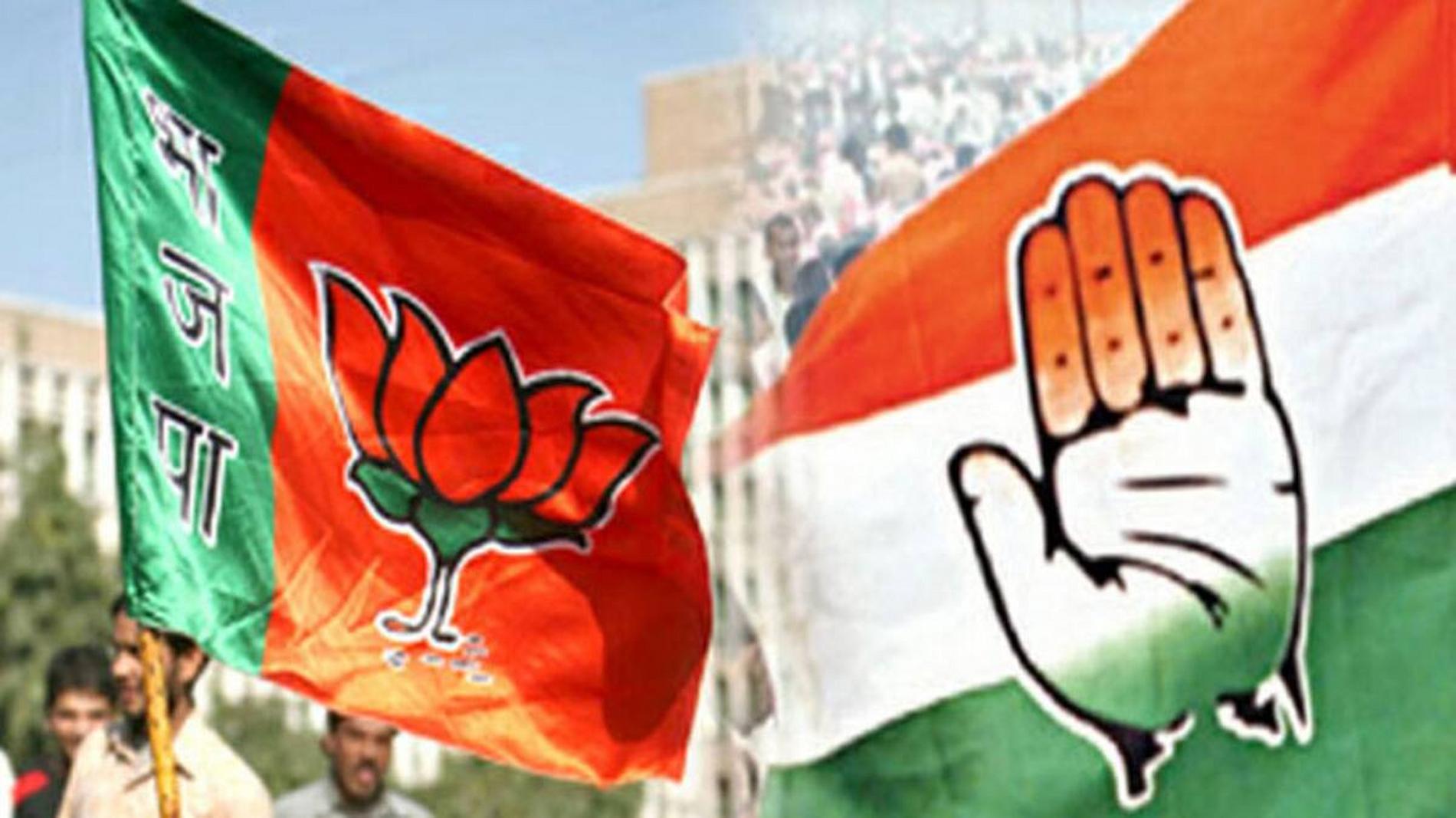
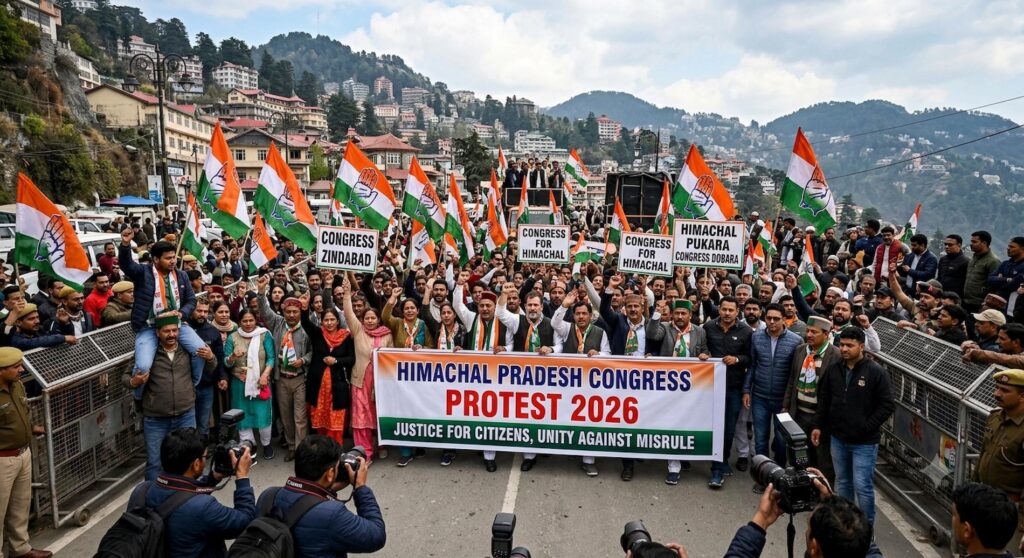
With two years still left for the next Assembly elections, political activity in Himachal Pradesh is already intensifying. Both the Congress and the BJP have begun internal assessments, leadership consultations, and grassroots mobilisation. Early signs of political churning are visible within party organisations as leaders recalibrate strategies. Governance performance, regional issues, and public sentiment are shaping discussions. Central leadership are closely tracking developments in the hill state. As Himachal’s unique political rhythm demands early groundwork, the race for 2026 has quietly begun.
Key Takeaways
- Two years remain for the Himachal Assembly elections
- Congress focuses on cohesion and governance delivery
- BJP undertakes organisational review and cadre rebuilding
- Central leaderships actively guide state strategies
- Early mobilisation crucial in hill-state politics
- Local issues and leadership dynamics shape narratives
Himachal election early preparations: Two Years Before Himachal Elections, Congress and BJP Gear Up Ahead of Polls
The political landscape of Himachal Pradesh is witnessing renewed activity as major parties begin early groundwork for the next Assembly elections. With two years remaining, both Congress and the BJP have initiated organisational reviews, leadership consultations, and outreach efforts. These Himachal election early preparations reflect the strategic importance of timely mobilisation in a hill state where political narratives evolve steadily.
The ruling Congress faces the challenge of managing internal expectations while delivering on governance promises. The opposition BJP, meanwhile, is recalibrating its approach after recent electoral setbacks. Central leaders from both parties are engaging with state units to shape early poll narratives. Issues such as development delivery, factional balance, and voter outreach are dominating internal discussions. As political temperatures rise gradually, Himachal Pradesh is entering a crucial phase that could define the contours of the 2026 contest.
Current Political Scenario in Himachal Pradesh
Himachal Pradesh has traditionally seen closely contested elections. The state’s alternating power pattern keeps political actors alert. With the next Himachal Assembly polls scheduled in 2026, parties are avoiding complacency.
Governance performance remains under constant public scrutiny. Infrastructure, employment, and welfare delivery dominate public discourse. These factors shape voter sentiment in hill state politics, where local issues carry significant weight.
Political observers note that early engagement helps parties read ground realities better. This explains the visible rise in organisational activity across districts.
Congress Begins Internal Course Correction
The Congress, currently in power, is focusing on internal cohesion. Leadership dynamics and factional balance are key concerns. The party is holding closed-door meetings to address organisational gaps.
The Congress strategy for Himachal includes strengthening district units and improving coordination with legislators. Leaders are also assessing feedback from grassroots workers.
Managing expectations within the party remains a priority. Course correction is being attempted to avoid internal friction before elections. The leadership aims to project unity and administrative stability.
BJP Rebuilds and Reviews Strategy
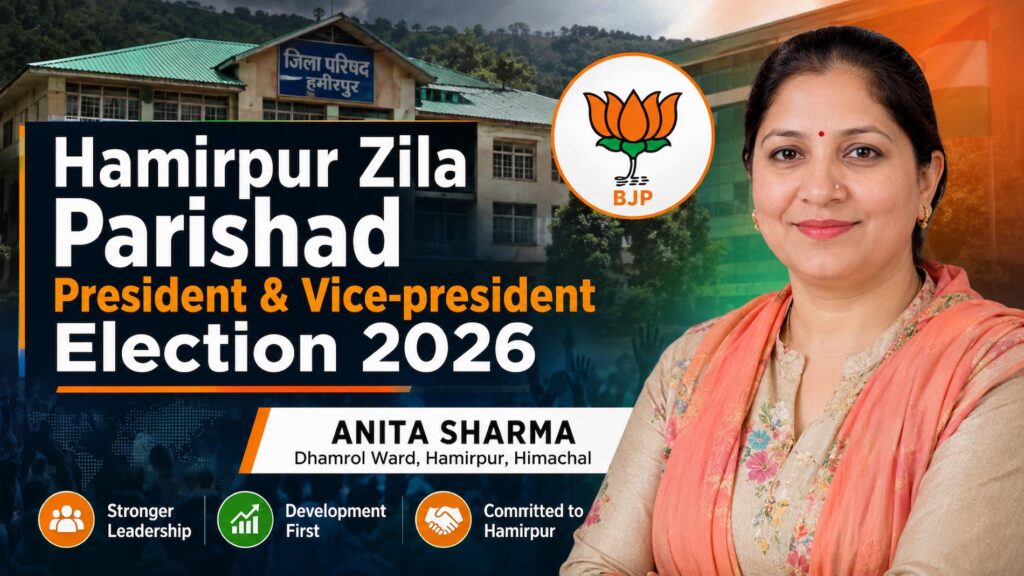
The BJP has begun a structured review after recent electoral outcomes. The BJP strategy in Himachal focuses on rebuilding cadres and reconnecting with voters.
Senior leaders are analysing booth-level performance. The BJP party revamp includes organisational restructuring and leadership mentoring. Feedback from local workers is being prioritised.
The party aims to sharpen its opposition narrative. Issues of governance accountability and regional balance are expected to feature prominently. Early mobilisation is seen as essential for regaining lost ground.
Role of Central Leadership and State Units
Central leaderships of both parties are closely involved. Regular interactions with state leaders are shaping strategies.
In Congress, coordination between state and central leadership is being strengthened. In the BJP, national leaders are guiding messaging and organisation.
This alignment is crucial in the upcoming state elections in India, where national narratives often intersect with local issues. Himachal’s strategic importance ensures sustained attention from party headquarters.
Governance Performance and Public Sentiment
Public sentiment is closely linked to governance delivery. Roads, health services, and employment remain key issues. Rural and urban voters express concerns differently.
The ruling party’s performance will influence voter trust. The opposition aims to highlight gaps. These dynamics define Himachal political developments ahead of elections.
Early feedback mechanisms help parties adjust messaging. Public outreach programs are being planned accordingly.
Importance of Early Mobilisation in Hill Politics
Early mobilisation carries special significance in hill states. Difficult terrain and dispersed populations require sustained engagement.
Political workers need time to build networks. Party mobilisation in Himachal ensures better reach and feedback.
Experts say early groundwork helps parties avoid last-minute pressure. It also allows leadership grooming and issue-based campaigning. This explains the focus on the Himachal election’s early preparations.
Leadership Contenders and Emerging Faces
Speculation around leadership roles has begun quietly. Both parties are observing emerging leaders at the district levels.
Within Congress, balancing senior leaders and new faces remains delicate. The BJP is also evaluating potential state leaders.
This leadership tussle between Congress and the BJP will shape campaign narratives. Leadership clarity closer to elections will be crucial.
Influence of Local Body Polls and By-elections
Local body elections act as testing grounds. Performance in these polls offers insights into voter mood.
Both parties are studying past by-election results. These outcomes influence candidate selection and messaging.
Such exercises form part of broader early election preparations and help fine-tune strategies.
Messaging, Outreach, and Grassroots Work
Political messaging is being carefully crafted. Development, stability, and regional pride are recurring themes.
Outreach programs include meetings, feedback sessions, and social media engagement. Ground-level workers are being reactivated.
These efforts aim to strengthen visibility and trust. The focus remains on sustained presence rather than short campaigns.
Himachal election early preparations shape the Road Ahead
The visible political activity signals a long-term approach. Parties are investing time in understanding voter expectations.
This phase allows strategic patience. It also reduces risks associated with rushed decisions. The groundwork laid now will influence 2026 outcomes.
Overall Assessment
Himachal Pradesh has entered an early but decisive political phase. Congress and the BJP are laying foundations well in advance. Governance performance, leadership balance, and grassroots outreach will determine momentum. As strategies evolve, the coming months will quietly shape the electoral battle ahead.
Follow our coverage for timely updates on Himachal’s political developments and early election strategies.