Now Reading: Himachal Development Push: Revenue Minister Unveils ₹3.52-Crore Projects in Sangla Valley
-
01
Himachal Development Push: Revenue Minister Unveils ₹3.52-Crore Projects in Sangla Valley
Himachal Development Push: Revenue Minister Unveils ₹3.52-Crore Projects in Sangla Valley

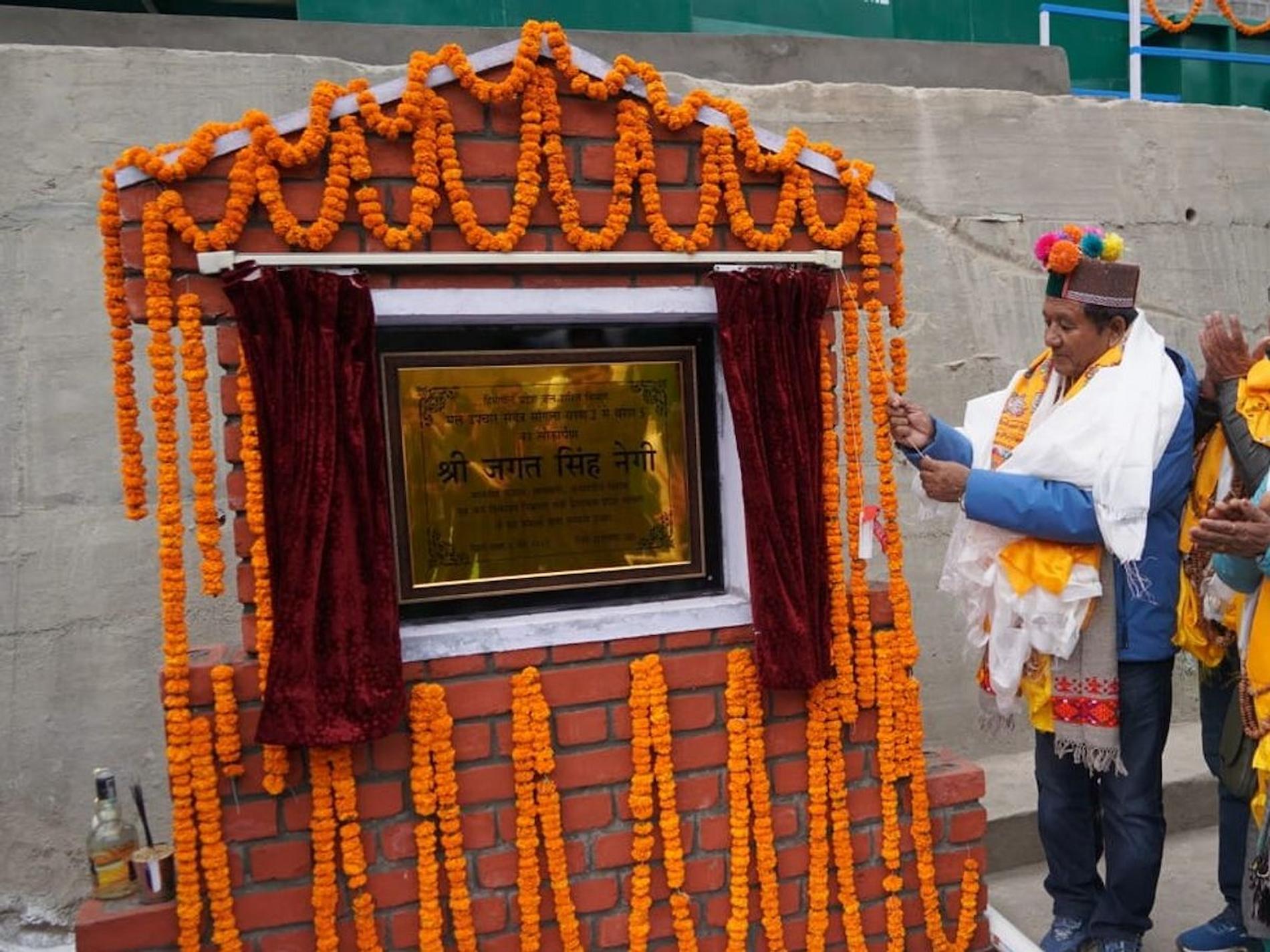
The Himachal Pradesh government has stepped up its development drive in the remote Sangla Valley of Kinnaur district. Revenue Minister inaugurated projects worth ₹3.52 crore, focusing on roads, water supply, and public infrastructure. The initiative aims to strengthen connectivity, improve basic services, and support livelihoods in a strategic border region. Officials said the projects reflect the state’s commitment to balanced growth in tribal areas. Residents welcomed the move, calling it a long-pending boost for development and tourism. The projects also carry political significance ahead of future electoral milestones.
Key Takeaways
- Revenue Minister inaugurated ₹3.52-crore projects in Sangla Valley
- Focus on roads, water supply, and public infrastructure
- Projects are part of the Himachal development projects in Sangla Valley
- Boost to connectivity, tourism, and livelihoods
- Strong political and administrative significance
Overview
The Himachal Pradesh government on Monday marked a major development milestone in the tribal belt with the launch of projects worth ₹3.52 crore in Sangla Valley. The inauguration, led by the Revenue Minister of Himachal Pradesh, underscored the state’s focus on strengthening infrastructure in the border and hill regions. Located in Kinnaur district, Sangla Valley holds strategic and economic importance due to its terrain, tourism potential, and proximity to the Indo-China border.
Officials said the newly launched works form part of broader Himachal development projects in Sangla Valley, aimed at improving connectivity, water access, and public facilities. The initiative also aligns with the government’s rural and tribal welfare agenda. Residents, local leaders, and officials attended the programme, highlighting growing expectations from sustained state investment. As Himachal accelerates development in remote areas, the Sangla projects signal a renewed push for inclusive growth and governance outreach.
Event Overview and Official Announcement
The Revenue Minister inaugurated multiple State-funded development projects during a public programme held in Sangla Valley. The event was attended by district officials, panchayat representatives, and residents.
According to officials, the ₹3.52-crore allocation covers essential infrastructure works designed to address long-standing regional gaps. Sangla Valley falls under the Kinnaur district development, a region known for its rugged terrain and limited access.
The minister said such initiatives reflect the government’s commitment to last-mile development. He stressed that border and tribal regions deserve equal attention and resources. The projects were formally approved under the state’s annual development plan and executed through line departments.
Why Sangla Valley Matters
Sangla Valley is one of Himachal’s most scenic yet challenging regions. It plays a key role in tourism and border security. However, harsh weather and terrain often delay infrastructure growth.
The government has identified the valley as a priority zone under Tribal Area Development Himachal, and Border Area Development, Himachal programmes. Improved roads and public facilities are expected to enhance mobility and access to essential services.
Officials said focused development in Sangla also supports economic stability and reduces migration. This makes the region central to long-term planning for hill districts.
Details of the ₹3.52-Crore Projects
The ₹3.52-crore package includes several small but impactful works. These focus on daily needs and public welfare.
Key components include:
- Improvement of village roads under Hill area connectivity projects
- Drinking water supply upgrades for local habitations
- Renovation of public buildings and community facilities
- Minor irrigation and protection works
Officials said the projects were designed after consultations with local bodies. Implementing agencies include the Public Works Department and rural development authorities. Timelines range from six to twelve months, depending on weather conditions.
Boost to Connectivity and Services
Improved roads remain the biggest expectation for Sangla residents. Many villages face access problems during the winter months.
The new road works under Infrastructure development in the hills aim to ensure all-weather connectivity. Better access will support tourism, apple growers, and small traders.
Water supply projects will improve public health and reduce dependence on seasonal sources. Officials said the focus remains on durability and quality. Monitoring teams will conduct regular inspections.
Government’s Broader Development Agenda
The projects align with ongoing Himachal Pradesh development projects across rural and tribal belts. The government has prioritised balanced growth instead of urban-centric planning.
Officials said emphasis remains on infrastructure, tourism support, and livelihood security. Sangla Valley benefits from its eco-tourism potential. Better facilities may increase visitor inflow.
The initiative also fits within Himachal rural development initiatives, which target roads, water, and employment creation. The government aims to complete key works before the next tourist season.
Minister’s Address and Key Assurances
During the inauguration, the Revenue Minister assured residents of transparency and accountability. He said funds would be used efficiently and projects completed on time.
The minister added that more Himachal government projects are planned for Kinnaur district. These include education, healthcare, and digital connectivity.
He stressed that development must be inclusive and sustainable. Protecting the fragile Himalayan ecosystem remains a priority. Officials were instructed to maintain environmental safeguards during execution.
Local Impact and Public Response
Residents welcomed the projects as long-awaited relief. Panchayat leaders said improved roads would reduce travel time and transport costs.
Farmers expect better access to markets for apples and vegetables. Tourism operators said improved facilities could extend the tourist season.
Local youth highlighted employment opportunities during construction. Many said such projects improve trust between citizens and the government. The programme drew strong participation, reflecting rising public expectations.
Political Significance of the Initiative
Development work in tribal and border areas carries political weight. Such regions often feel neglected due to logistical challenges.
The Sangla projects strengthen the ruling party’s grassroots presence. They also counter opposition claims of regional neglect.
Political and politician observers say sustained infrastructure focus helps consolidate support in hill districts. With future elections on the horizon, visible development sends a strong message to voters.
Administrative and Governance Measures
Officials said close coordination exists between state departments and district administration. Progress reports will be reviewed monthly.
The government has introduced digital tracking for Public works in Himachal to avoid delays. Contractors face penalties for missing deadlines.
Past development work in Kinnaur has improved execution capacity. Lessons from earlier projects are guiding current implementation strategies.
Comparison with Other Regional Initiatives
Similar projects have been launched in Lahaul-Spiti and Chamba districts. These areas share terrain and climate challenges with Sangla.
The government’s approach focuses on smaller, high-impact works instead of mega projects. This ensures faster delivery and local relevance.
Officials said Sangla’s projects complement statewide efforts under Himachal Pradesh political news, highlighting governance reforms.
Challenges in Hill Infrastructure Development
Building infrastructure in high-altitude areas is complex. Weather disruptions and landslides remain major risks.
The government plans flexible timelines and contingency funds. Use of local labour and materials reduces costs and delays.
Environmental clearance and sustainability remain key concerns. Authorities said development will not compromise ecological balance.
Broader Vision for Hill Regions
The state aims to make remote regions self-reliant. Infrastructure is seen as the foundation for growth.
Officials said plans include renewable energy and digital services. Sangla Valley may see further investment under tourism schemes.
The government believes sustained focus will bridge development gaps across hill districts.
End Note
The ₹3.52-crore initiative in Sangla Valley highlights the government’s commitment to inclusive growth. By focusing on roads, water, and public facilities, the state addresses real local needs. These Himachal development projects in Sangla Valley reflect a balanced approach to governance in challenging terrains.
Sustained investment in tribal and border regions strengthens economic resilience and public trust. As implementation begins, timely completion will be key to maintaining momentum and credibility.
Stay connected for more updates on infrastructure and political developments shaping Himachal Pradesh’s future.