Now Reading: BJP Steps Up 2027 Poll Preparations, Appoints In-Charges for 66 Constituencies
-
01
BJP Steps Up 2027 Poll Preparations, Appoints In-Charges for 66 Constituencies
BJP Steps Up 2027 Poll Preparations, Appoints In-Charges for 66 Constituencies


BJP Names 66 Constituency In-Charges Ahead of 2027 Polls
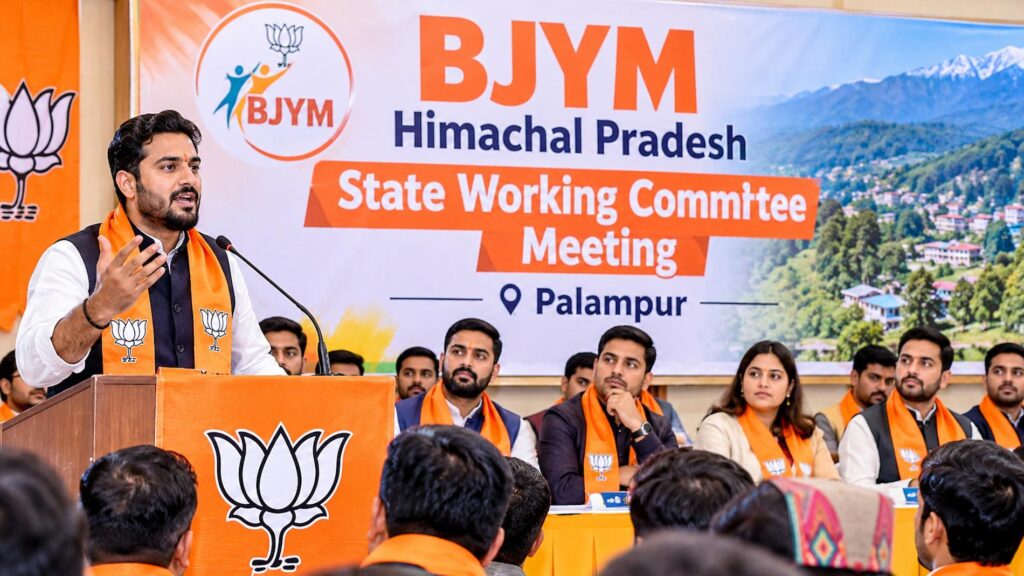
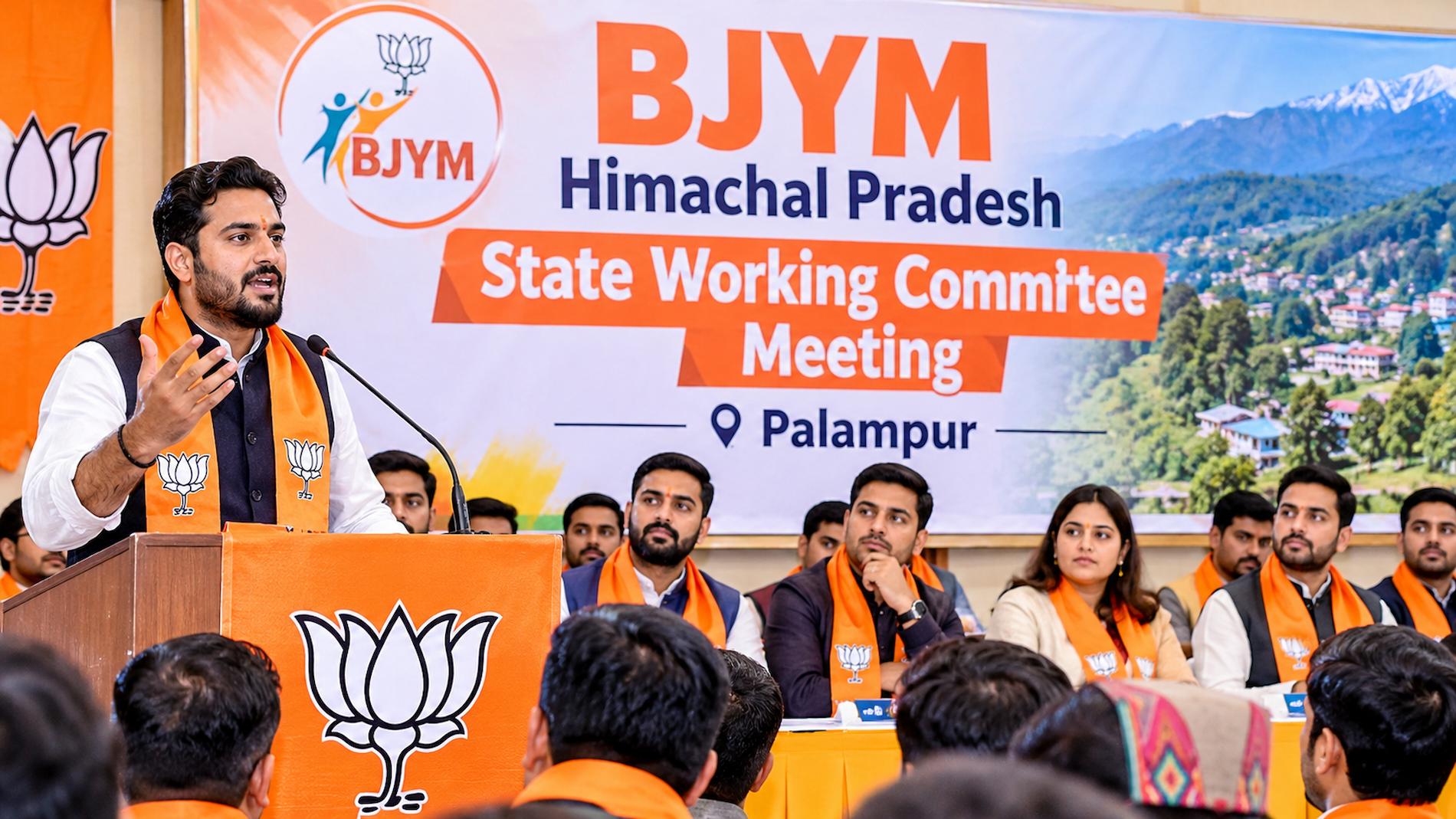
The Bharatiya Janata Party has stepped up its organizational preparations in Himachal Pradesh by appointing in-charges for 66 of the state’s 68 Assembly constituencies. Announced by State President Dr. Rajeev Bindal on November 20, 2026, the appointments signal an early push toward constituency-level coordination ahead of the 2027 elections.
Key Takeaways
- Announcement Date: The BJP announced its constituency-level appointments on November 20, 2026, with the development reported on November 21.
- Total Appointments: In-charges have been appointed for 66 of Himachal Pradesh’s 68 Assembly constituencies.
- State Leadership: BJP State President Dr. Rajeev Bindal announced the organizational decision through the party’s state office.
- Main Responsibility: The appointees will coordinate local organizational activities and upcoming party programs in their respective constituencies.
- Election Preparation: The appointments are part of the BJP’s early preparations for the 2027 Himachal Pradesh Assembly elections.
- Constituency Coverage: The announcement covers constituencies across districts, including Chamba, Kangra, Mandi, Hamirpur, Una, Bilaspur, Solan, Sirmaur, and Shimla.
BJP Appoints 66 Constituency In-Charges in Himachal Pradesh
The Himachal Pradesh Assembly elections 2027 are beginning to shape the political agenda in the state, with the Bharatiya Janata Party (BJP) taking steps to strengthen its organizational network ahead of the next electoral contest. In a significant organizational decision, the party has appointed in-charges for 66 out of 68 Assembly constituencies in Himachal Pradesh.
The announcement was made on November 20, 2026, under the leadership of BJP state president Dr. Rajeev Bindal. The appointments are intended to improve coordination at the constituency level and ensure that party activities and upcoming organizational programs are carried out more effectively.
The decision represents an important development in BJP Himachal Pradesh news, as the party begins building its organizational framework well ahead of the next state election. By assigning specific responsibilities to constituency-level representatives, the BJP aims to maintain closer coordination between its state leadership and local workers.
With only two constituencies not covered in the announcement, the appointments indicate a broad effort to establish a more structured political presence across the state.
District-Wise Constituency Appointments: Who Has Been Assigned?
The constituency-wise list includes party representatives from different regions of Himachal Pradesh. The appointments cover important political centers as well as rural constituencies, giving the BJP a designated organizational contact in most Assembly segments.
Selected Names From the BJP Constituency In-Charge List
The following appointments are among the names announced by the BJP state office:
| District / Region | Assembly Constituency | Appointed In-Charge |
|---|---|---|
| Chamba | Churah | Dinesh Sharma |
| Chamba | Bharmour | Chandra Lal Thakur |
| Chamba | Chamba | Divya Chakshu |
| Chamba | Dalhousie | Vinod Thakur |
| Chamba | Bhatiyat | Subhash Upadhyay |
| Nurpur | Nurpur | Jagdev Thakur |
| Nurpur | Indora | Abhijit Jambal |
| Nurpur | Fatehpur | Pradeep Sharma |
| Nurpur | Jawali | Pankaj Sharma ‘Happy’ |
| Kangra | Palampur | Sanjeev Thakur |
| Kangra | Dharamshala | Devendra Kohli |
| Kullu | Manali | Rahul Solanki |
| Mandi | Mandi | Pal Verma |
| Hamirpur | Hamirpur | Pawan Sharma |
| Una | Una | Vishwajeet Patial |
| Bilaspur | Bilaspur | Naveen Sharma |
| Solan | Solan | O.P. Gandhi |
| Sirmaur | Nahan | Surendra Hindustani |
| Mahasu | Chopal | Baldev Rana |
| Shimla | Shimla | Pyar Singh Kanwar |
Note: This is a selection of appointments, not the complete list of 66 constituency in-charges.
The list also includes several other appointments across the state. For example, Abhishek Padha has been assigned Dehra, Sushil Kalia Jaswan-Pragpur, and Achal Pathania Jawalamukhi. In the Kangra region, Rakesh Sharma has been assigned Kangra, Vishal Nehria Nagrota, and Sanjay Sharma Shahpur.
In the Mandi region, the appointments include Sohan Singh Thakur for Karsog, Rajendra Bhutto for Sundernagar, Chet Ram for Nachan, and Manish Kapoor for Seraj. These assignments demonstrate the geographical spread of the organizational exercise.
The BJP constituency-wise appointments are intended to give local party units a clearer coordination structure before the election campaign gains momentum.
What Responsibilities Will the New In-Charges Handle?
The newly appointed representatives will serve as important links between the BJP’s state leadership and constituency-level organization. Their primary responsibility is to coordinate organizational activities and implement upcoming party programs in their respective areas.
The appointments are not simply changes in organizational titles. They establish designated responsibilities for party workers who will help maintain communication between different levels of the organization.
Key Areas of Responsibility
The new in-charges are expected to focus on the following activities:
- Coordinating party programs and organizational meetings within their constituencies.
- Maintaining communication with local BJP leaders and workers.
- Strengthening coordination between state and constituency-level leadership.
- Supporting public outreach and local political activities.
- Helping implement organizational decisions issued by the state leadership.
- Improving the party’s presence across urban and rural areas.
The effectiveness of these appointments will depend on how consistently the representatives work with local party units and translate organizational decisions into activities on the ground.
BJP Strengthens Grassroots Organization Ahead of 2027
The latest appointments reflect a broader effort to strengthen the BJP grassroots organisation before the next Assembly election. Political parties often begin constituency-level preparations well in advance because election campaigns require coordination across several organizational layers.
For the BJP, assigning in-charges to 66 constituencies creates a structure through which state-level decisions can reach local party workers more directly.
The Himachal Pradesh Assembly elections 2027 will involve contests across 68 constituencies. Having designated representatives in 66 of them gives the BJP an opportunity to focus on organizational work across nearly the entire state.
Why Constituency-Level Coordination Matters
A statewide political organization needs more than senior leaders and state-level announcements. It also requires people who understand local issues, maintain regular contact with party workers, and coordinate activities within individual constituencies.
The new appointments could help the BJP in several ways:
- Local leadership coordination: Improving communication between district and constituency-level representatives.
- Worker engagement: Keeping party workers connected with organizational programs.
- Public outreach: Supporting local interactions and political activities.
- Election planning: Establishing a designated point of coordination in most constituencies.
- Organizational monitoring: Helping state leadership receive updates about activities across the state.
These functions are particularly important in a state where local issues, regional identities, and constituency-level political dynamics can influence electoral outcomes.
Rajeev Bindal’s Leadership and BJP’s Election Roadmap
Dr. Rajeev Bindal BJP leadership is central to the latest organizational exercise. As the state president, Bindal has announced the appointments with the stated objective of strengthening the party’s network and accelerating organizational activities ahead of the 2027 election.
The decision also gives the state leadership a framework for coordinating constituency-level activities through designated representatives.
From Organizational Restructuring to Election Readiness
The BJP’s approach appears focused on starting organizational work early rather than waiting until the formal election campaign begins. The new appointments can help the party identify local priorities, organize programs, and maintain regular communication with its constituency units.
However, the announcement itself does not establish a complete election manifesto or final campaign plan. Further decisions regarding candidate selection, campaign leadership, and election promises will be separate political developments.
Congress and BJP Prepare for Political Competition
The Congress BJP political competition will be a major feature of Himachal Pradesh politics ahead of the next Assembly election.
Congress currently governs the state under Chief Minister Sukhvinder Singh Sukhu, while the BJP occupies the opposition position. Both parties will have to focus on public issues, organizational strength, and their ability to connect with voters across the state’s 68 constituencies.
The BJP’s latest appointments indicate that it is giving early attention to its constituency-level structure. Congress, meanwhile, will face the challenge of defending its government record and maintaining support among voters.
For now, the announcement should be viewed as an organizational decision rather than evidence of a specific response to any move by Congress or another political party.
The Himachal election updates 2027 will become increasingly important as parties announce further organizational decisions, public programs, and campaign initiatives.
What Makes the 66 Appointments Politically Significant?
The appointment of in-charges in 66 constituencies is significant because it gives the BJP a designated organizational structure across almost the entire state.
The two remaining constituencies not covered in the announcement are also worth watching as the party develops its wider organizational arrangements.
The Himachal Assembly election strategy will ultimately depend on several factors, including local leadership, voter concerns, candidate selection, government performance, and the ability of political parties to communicate their priorities.
The present exercise gives the BJP an early organizational starting point. Its real impact will become clearer through the activities undertaken by the newly appointed representatives in the coming months.
The Road to 2027
The appointments mark an important early step in the party’s preparations for the next state election. Assigning responsibilities across most constituencies provides a foundation for better coordination and consistent local activities. The effectiveness of this exercise will depend on implementation, cooperation among local leaders, and sustained engagement with communities. As the electoral period approaches, the party’s ability to convert organizational planning into meaningful public outreach will be an important factor in determining its political position in the state.