Now Reading: Himachal Winter Session Opens With Heated Debate on Local Poll Delay
-
01
Himachal Winter Session Opens With Heated Debate on Local Poll Delay
Himachal Winter Session Opens With Heated Debate on Local Poll Delay

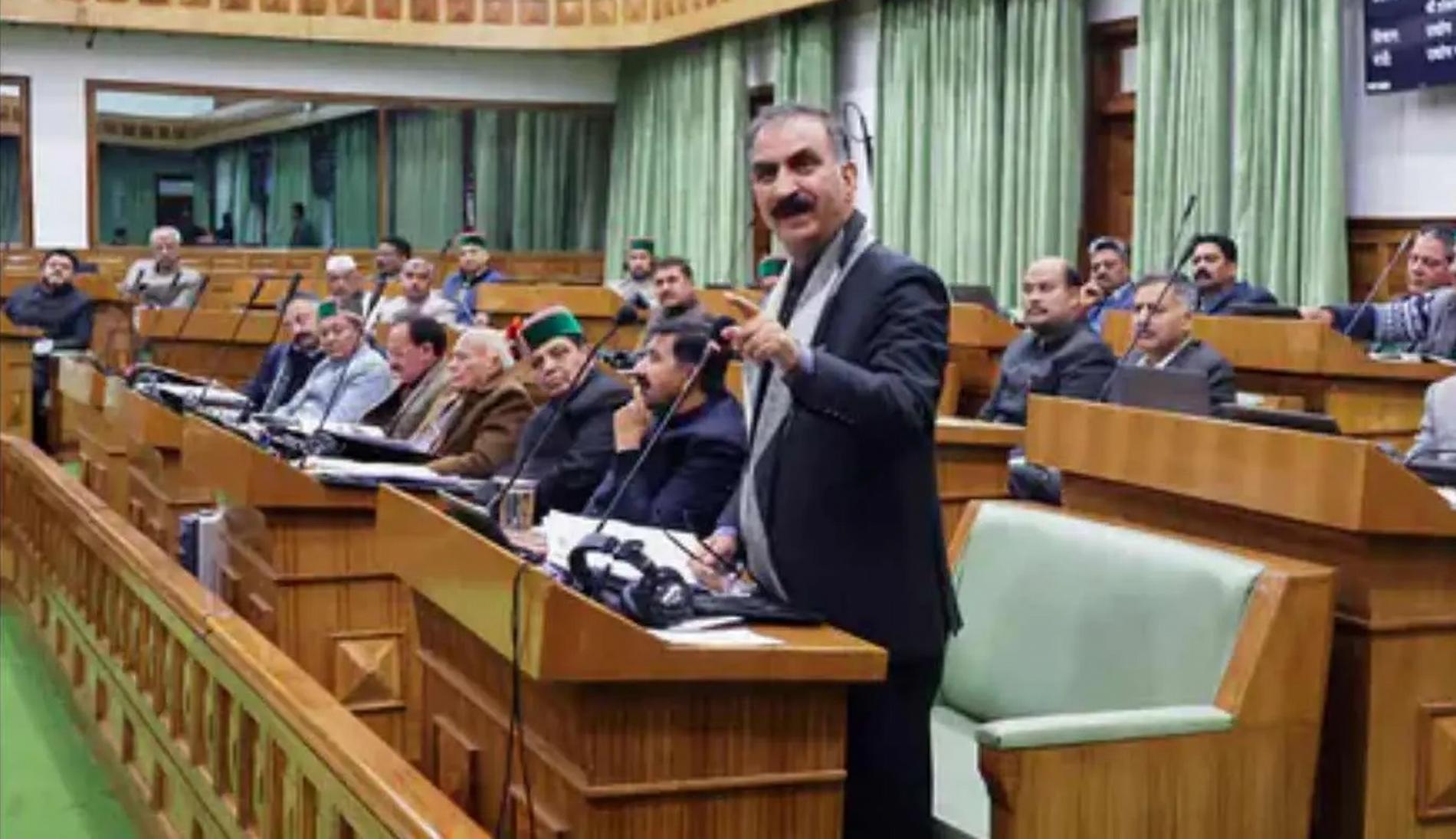
The Himachal Winter Session Opens amid intense political confrontations as lawmakers clashed over deferred local body elections. Opposition parties, including Congress, accused the state government of delaying panchayat and municipal polls for political advantage, while the ruling party defended the postponement, citing administrative and legal reasons. Protests, walkouts, and heated exchanges marked the first day of the session. Voter groups, panchayat leaders, and civil society voiced concerns over stalled governance. Political analysts suggest this debate will significantly influence upcoming elections in Himachal Pradesh, shaping voter sentiment and inter-party strategies for the state’s crucial political calendar in 2025.
The Himachal Pradesh Assembly’s 10-day winter session began
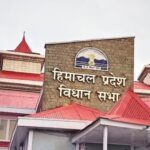
The Himachal Winter Session Opens in Shimla with high drama and political tension as lawmakers immediately engaged in a heated debate over deferred local elections. The session, which started on [insert date], was marked by walkouts, protests, and vociferous arguments between the ruling party and opposition legislators. The Congress-led opposition accused the government of deliberately delaying panchayat and municipal polls, citing potential political gains ahead of the upcoming electoral cycle. In response, Chief Minister Sukhvinder Singh Sukhu and his ministers justified the postponement, pointing to administrative, legal, and logistical challenges highlighted by the State Election Commission Himachal. Experts say the session sets the tone for governance discussions and election strategy debates. The Himachal Winter Session opens as a crucial arena where both ruling and opposition parties aim to assert dominance while addressing the concerns of voters and grassroots leaders.
Opening of the Winter Session
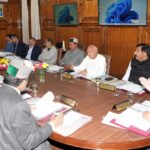
The Himachal Assembly winter session began in Shimla with all members present amid tight security. The agenda included discussions on budget allocations, development projects, and the implementation of welfare schemes. However, the main focus quickly shifted to the Himachal Pradesh local polls delay, overshadowing other legislative business. Lawmakers expressed urgency to address grassroots representation and the impact of postponed elections on administrative functioning. Political analysts observed that the tone inside the House was confrontational from the first hour, reflecting growing voter and public concern over electoral delays.
Core Issue: Delay in Local Body Elections
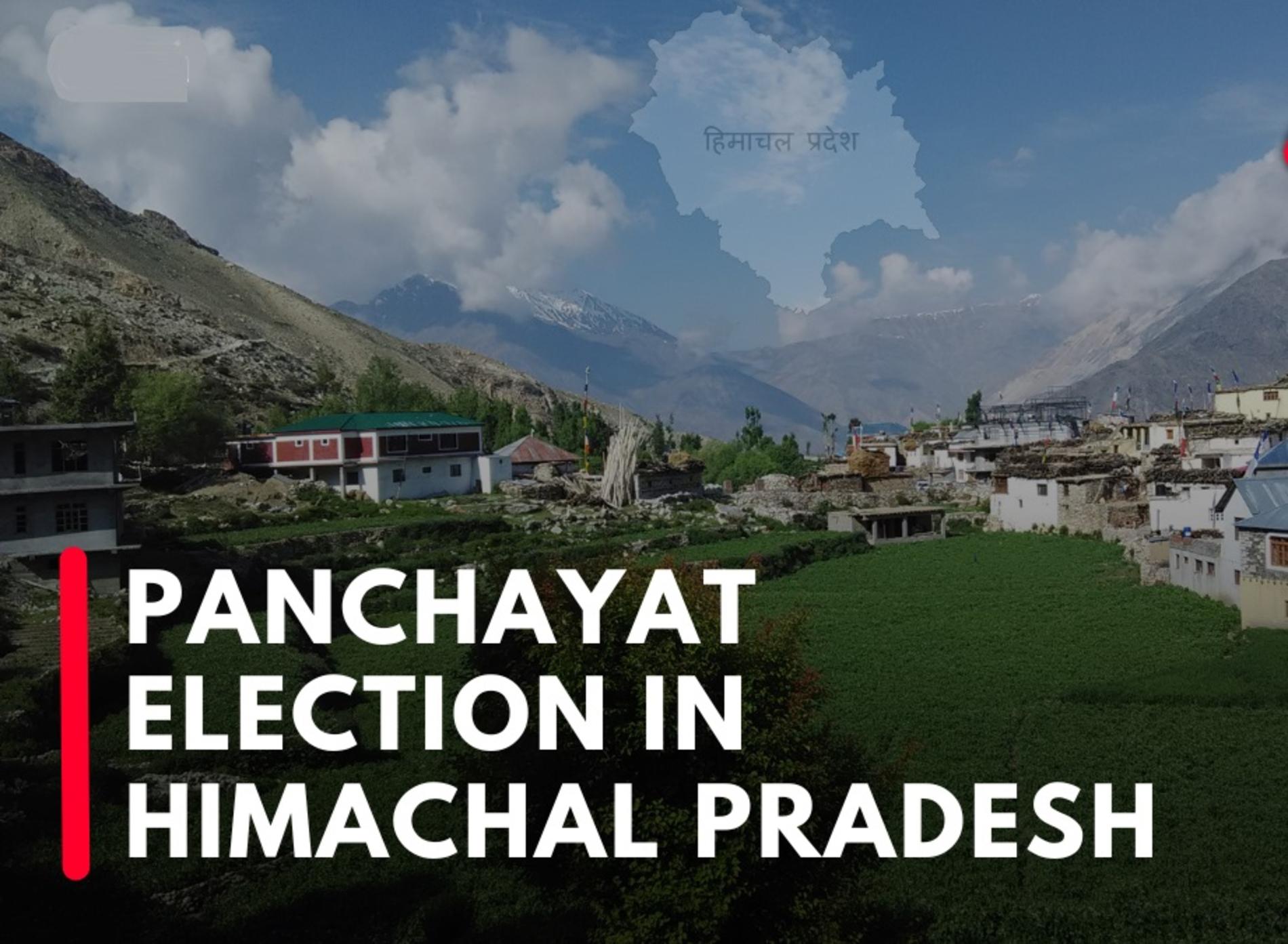
The panchayat elections in Himachal and municipal polls were postponed due to administrative and legal challenges. According to the State Election Commission, Himachal, incomplete preparations, resource constraints, and adherence to procedural norms delayed scheduling. Officials stressed that ensuring free and fair elections was paramount. Opposition parties, however, termed these explanations insufficient, arguing that the delay undermines democratic representation and leaves many local bodies under acting administrations. Analysts noted that such postponements can erode voter confidence and affect governance at the grassroots level.
Heated Debate and Political Confrontation
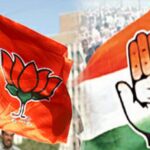
Opposition MLAs launched a fierce attack on the ruling party during the session, accusing it of manipulating election timelines for political advantage. Walkouts and interruptions were frequent, marking the Himachal Assembly protest as one of the most contentious in recent years. The ruling party defended its stance, citing legal advisories and administrative readiness as primary reasons for the delay. BJP and Congress leaders clashed verbally, with debates spilling into questions of transparency, accountability, and governance effectiveness. The contentious atmosphere highlighted deep political polarisation in the state ahead of the upcoming elections.
Constitutional and Legal Concerns
The Himachal Pradesh Constitution mandates timely elections to ensure democratic representation in local bodies. The current delay raised questions about compliance with legal provisions. Petitions and notices have reportedly been filed with the State Election Commission, Himachal, seeking clarification on the rescheduled polls. Legal experts noted that prolonged postponements could invite judicial intervention. Lawmakers discussed mechanisms to ensure accountability and transparency, emphasising the need for adherence to statutory timelines for municipal and panchayat elections.
Public and Administrative Impact
The delay in deferred local body elections has affected development initiatives across districts. Panchayat leaders and civil society groups expressed concerns over stalled projects, lack of local governance, and delayed welfare schemes. Residents reported difficulties in accessing essential services without elected representatives. Analysts warned that the administrative vacuum could slow development programs and erode public trust in state institutions. The session’s debates emphasised how local governance delays ripple through communities, impacting both rural and semi-urban areas.
Statements from Key Leaders
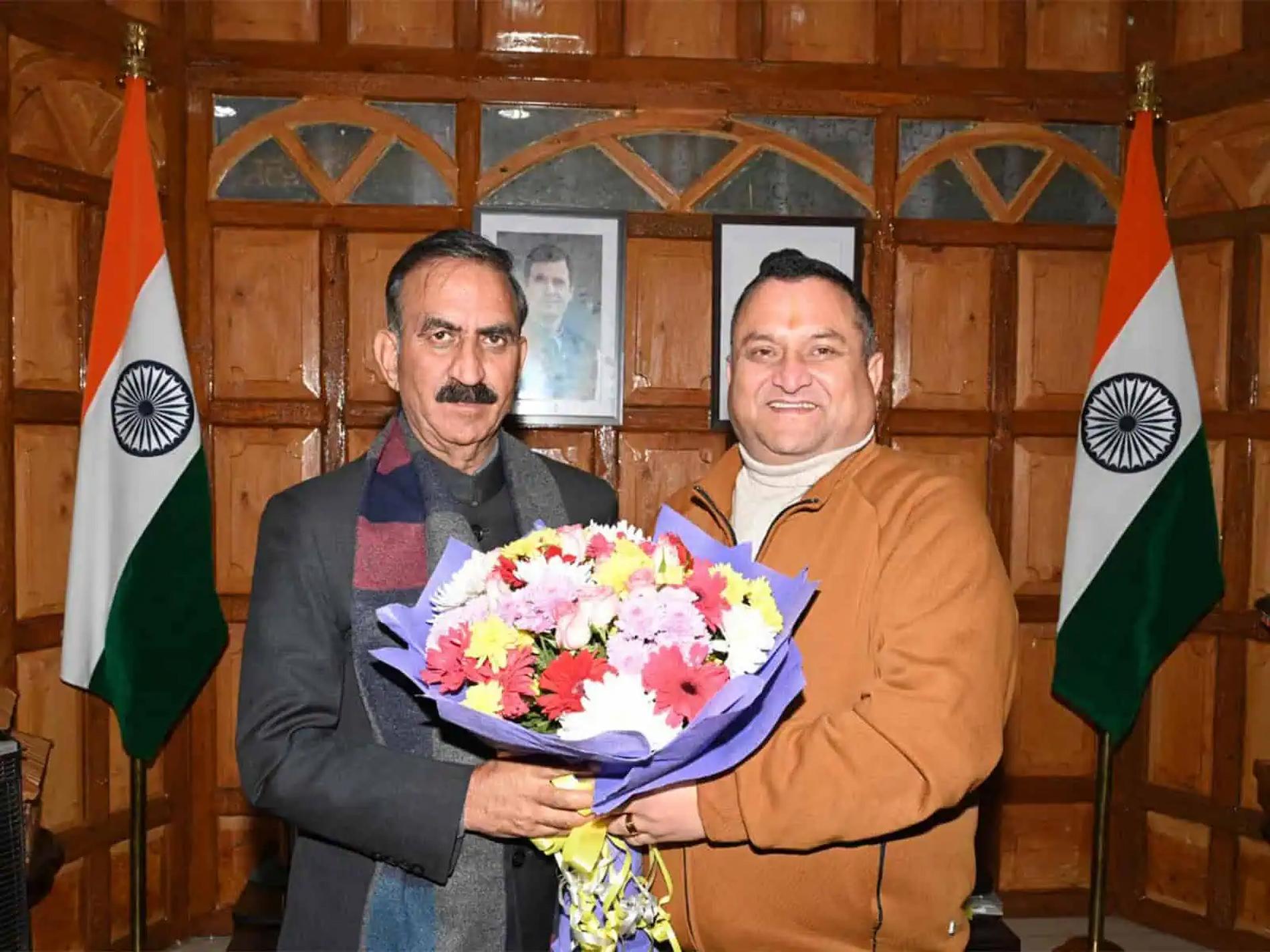
Chief Minister Sukhvinder Singh Sukhu assured the House that elections would be conducted after completing administrative preparations. Opposition leaders criticised the delay, claiming political motives overshadowed public interest. Several MLAs stressed the importance of immediate poll dates to strengthen grassroots democracy. Party strategists observed that the session allowed both ruling and opposition members to publicly project their stance, shaping voter perception. Statements from prominent MLAs highlighted contrasting narratives: one side defending procedural compliance, the other demanding prompt action for democratic accountability.
Broader Political Context
Political analysts note that the Himachal winter session 2025 controversy over deferred polls is linked to the upcoming state and national elections. Opposition parties hope to leverage voter dissatisfaction over delays to gain ground in upcoming elections. Similar political confrontations have occurred in other states when local elections were postponed. Experts suggest this debate signals strategic positioning by parties, influencing campaign narratives and grassroots mobilisation. The session also reflects historical tensions in Himachal Pradesh, where local governance issues have often become focal points in broader political battles.
Media and Social Media Reactions
Regional media extensively covered the municipal polls in Himachal controversy, highlighting walkouts, protests, and legislative arguments. Social media platforms witnessed trending hashtags criticising the delay and praising opposition protests. Videos of heated exchanges between ruling and opposition MLAs went viral, drawing public attention to the issue. Political analysts emphasised that media framing can significantly influence voter sentiment, especially in semi-urban and rural constituencies. Public discussions suggest heightened scrutiny of administrative efficiency and party accountability, reinforcing the session’s political significance.
To Conclude
The Himachal Winter Session has spotlighted the critical debate over local poll delays, revealing deep political divides. Opposition protests, government defences, and public concerns underscore the importance of timely elections for democratic governance. Analysts believe the session sets a precedent for addressing administrative bottlenecks while shaping party strategies ahead of upcoming state and national elections. The outcome of these debates will influence public perception, voter confidence, and the political landscape of Himachal Pradesh in 2025. Ensuring transparent, timely elections remains key to restoring faith in grassroots democracy.
Stay updated with all Himachal political updates 2025 as the state navigates crucial election and governance debates.