Now Reading: Shimla Mayor Elections: Himachal Cabinet Approves 5-Year Term for Mayor
-
01
Shimla Mayor Elections: Himachal Cabinet Approves 5-Year Term for Mayor
Shimla Mayor Elections: Himachal Cabinet Approves 5-Year Term for Mayor

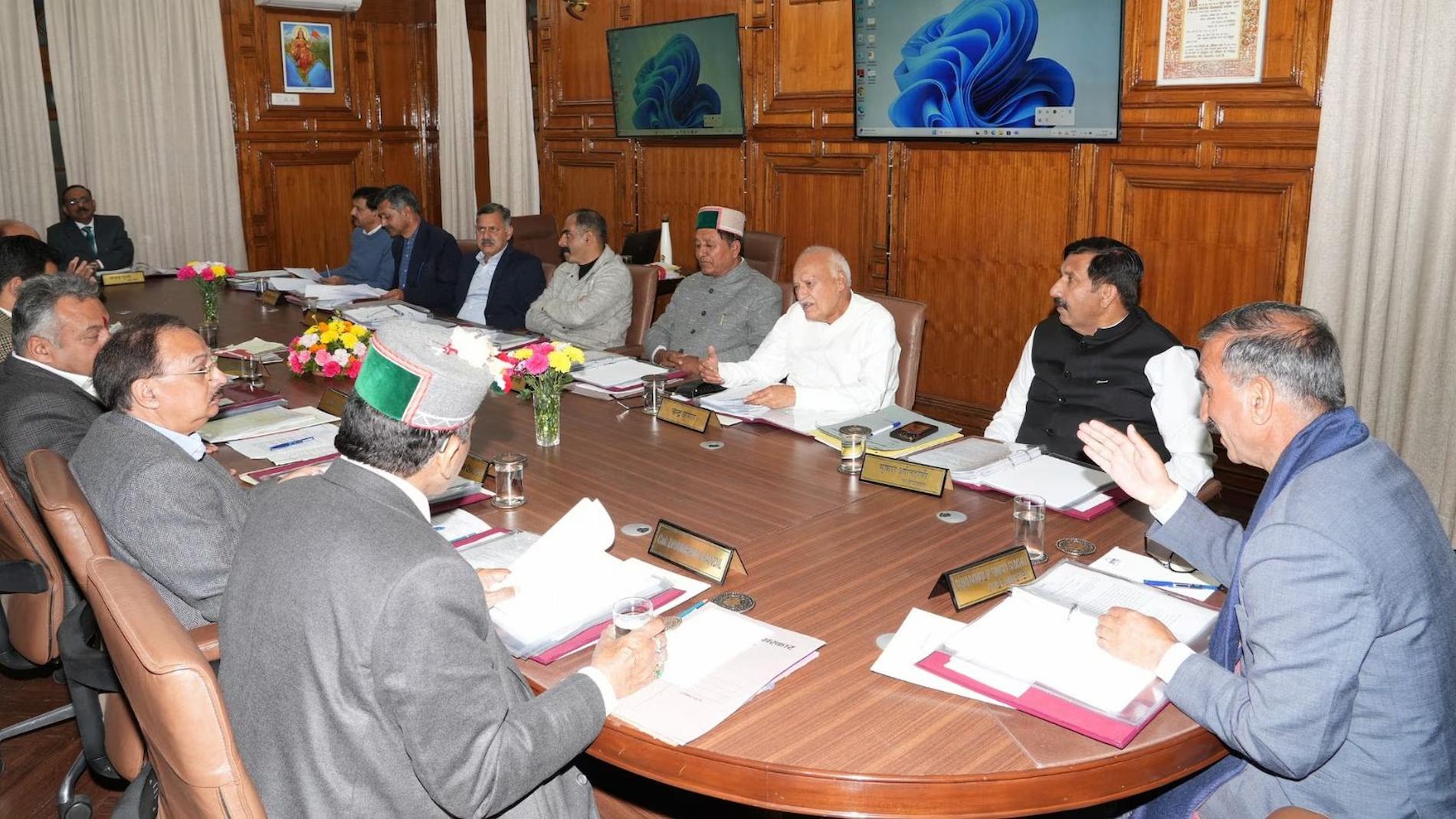
In a significant development ahead of the Shimla mayoral elections, the Himachal Pradesh Cabinet has approved a 5-year term for the city’s mayor. This considerable change doubles the previous 2.5-year tenure, aiming to ensure political stability and effective governance. The decision, coming just a month before the Shimla municipal elections, has sparked widespread discussions among political parties, local leaders, and residents. This significant term extension could influence election strategies, party nominations, and administrative planning. With heightened political stakes, the upcoming elections promise a closer look at Himachal Pradesh’s evolving political landscape.
Himachal Cabinet doubles mayor’s term to 5 years
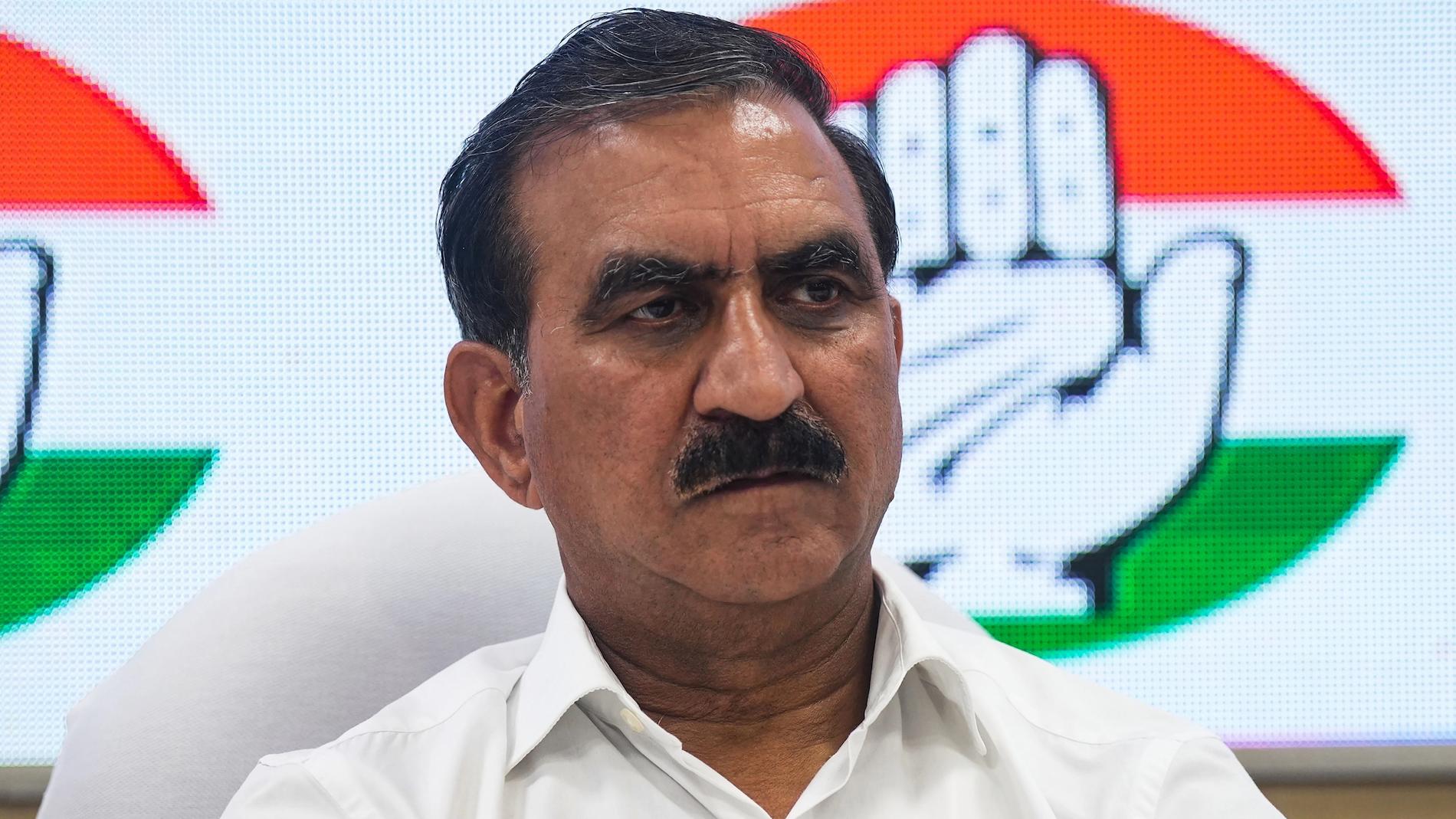
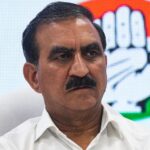
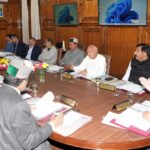
The Himachal Pradesh Cabinet has taken a pivotal step by approving a 5-year term for the Shimla mayor, just ahead of the Shimla mayor elections. The decision, announced in a Cabinet meeting chaired by Chief Minister Sukhvinder Singh Sukhu, doubles the previous 2.5-year term. Officials noted that the extended tenure aligns mayoral positions with the five-year term of Panchayati Raj institutions, promoting governance continuity and reducing political instability. The Himachal Cabinet decision comes only a month before the Shimla municipal elections, generating a buzz in the state’s political circles. Political analysts suggest that this change could affect party strategies, candidate selection, and voter sentiment. With heightened anticipation, all eyes are now on how the Shimla mayor elections will unfold under the new mayoral tenure change, which is impacting both the administration and political equations in Himachal Pradesh politics.
Cabinet Decision and Its Rationale
The Himachal Pradesh Cabinet formally approved extending the term of the Shimla mayor from 2.5 years to 5 years. Industries Minister Harshwardhan Chauhan explained that a shorter term led to concerns of horse-trading and unstable governance. Aligning the mayoral tenure with Panchayati Raj institutions ensures smoother administrative operations. The Cabinet emphasised that the move would strengthen the Shimla city administration and enhance policy implementation across municipal projects.
Timing of the Decision
The Himachal Cabinet decision comes only a month before the Shimla municipal elections, amplifying its political significance. Analysts note that such timing could influence party nominations and election campaigns. Political parties are now recalibrating strategies, anticipating the implications of a longer tenure on local governance and development priorities.
Impact on Elections
With a 5-year mayoral term, candidates can plan longer-term development initiatives that may sway voters. Parties might nominate experienced politicians capable of handling extended governance responsibilities. The political impact of Himachal is notable, as this change could redefine electoral dynamics and voter expectations. Analysts predict that the upcoming Shimla mayoral elections will see intensified competition amid elevated stakes.
Statements from Officials
Chief Minister Sukhvinder Singh Sukhu emphasised that the extension would ensure stability and prevent political uncertainties. Industries Minister Harshwardhan Chauhan added that the new tenure aligns with governance practices across the state. Opposition leaders, however, raised concerns about the timing, citing potential political advantages for the ruling party ahead of the Mayoral and Himachal panchayat elections 2025.
Historical Context
Previously, Shimla mayors served 2.5-year terms, necessitating frequent elections. This shorter tenure often led to policy discontinuity and administrative challenges. By extending the term to five years, the Cabinet has brought Shimla in line with other municipalities and Panchayati Raj bodies across Himachal Pradesh, ensuring a smoother governance cycle.
Public and Opposition Reaction
The change in mayoral tenure has drawn mixed reactions. Residents believe a longer term could lead to more focused city development. Opposition parties, however, argue that the extension benefits the ruling party strategically. Civic activists welcomed the move, highlighting that extended leadership can strengthen long-term planning and infrastructure projects.
Legal and Administrative Implications
The shift to a 5-year mayor term provides the Shimla city administration with more time to implement policies, monitor urban development, and enhance municipal services. Legal experts note that the extension aligns municipal laws with broader governance standards and reduces frequent electoral disruptions.
Comparisons with Other Cities
Compared to other major cities in Himachal Pradesh and India, Shimla’s mayoral tenure now matches the national norm of a five-year term for urban local bodies. This standardisation helps maintain consistency in municipal governance and urban planning initiatives.
Upcoming Elections Schedule
The Shimla mayoral elections are scheduled for November 2025. Political parties are finalising candidates, and campaign strategies are evolving in response to the Himachal Cabinet decision. Voter awareness campaigns and candidate debates are expected to intensify as the polls approach.
Future Outlook
The 5-year mayoral term is likely to influence Shimla’s governance and development projects positively. Long-term planning for urban infrastructure, environmental sustainability, and civic amenities can now be implemented without frequent leadership changes. The Shimla mayor elections under this new framework may also set a precedent for other municipalities in Himachal Pradesh.
Overall Assessment
The Himachal Pradesh Cabinet’s decision to extend the term of the Shimla mayor to five years marks a transformative step in urban governance. It aligns political timelines with administrative requirements and sets the stage for impactful elections. The upcoming Shimla mayor elections will be closely watched for their implications on both politics and city management.
Stay updated with the latest developments in the Shimla mayoral elections for informed civic engagement.