Now Reading: Panchayat Election 2026: Himachal HC Directs Panchayat elections By April 30
-
01
Panchayat Election 2026: Himachal HC Directs Panchayat elections By April 30
Panchayat Election 2026: Himachal HC Directs Panchayat elections By April 30

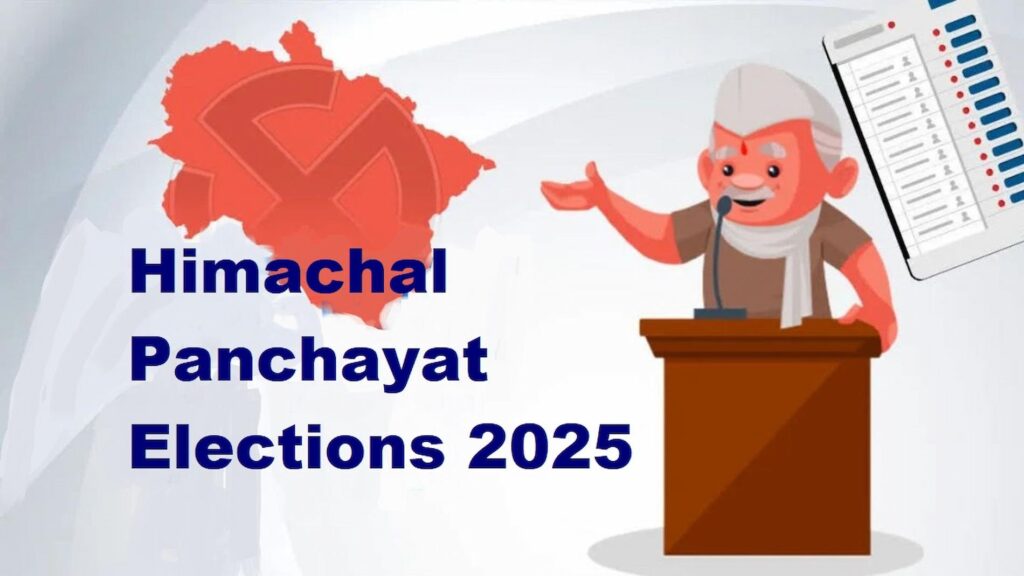
In a significant push for grassroots democracy, the Himachal Pradesh High Court has directed the state government to conduct long-pending panchayat elections by April 30, 2026. The court expressed concern over repeated delays that have left rural local bodies without elected representatives. The order has political and constitutional significance, especially ahead of the Himachal Pradesh panchayat election 2026. With over three years of extensions and administrative rule in villages, the ruling has triggered sharp political reactions and renewed focus on democratic decentralization across the hill state.
Key Takeaways
- High Court order issued on January 15, 2026
- Panchayat elections must conclude by April 30, 2026
- Elections have been delayed since January 2021
- Constitutional mandate emphasized by the court
- The State Election Commission is tasked with execution
- Political stakes are high ahead of HP elections 2026
Overview
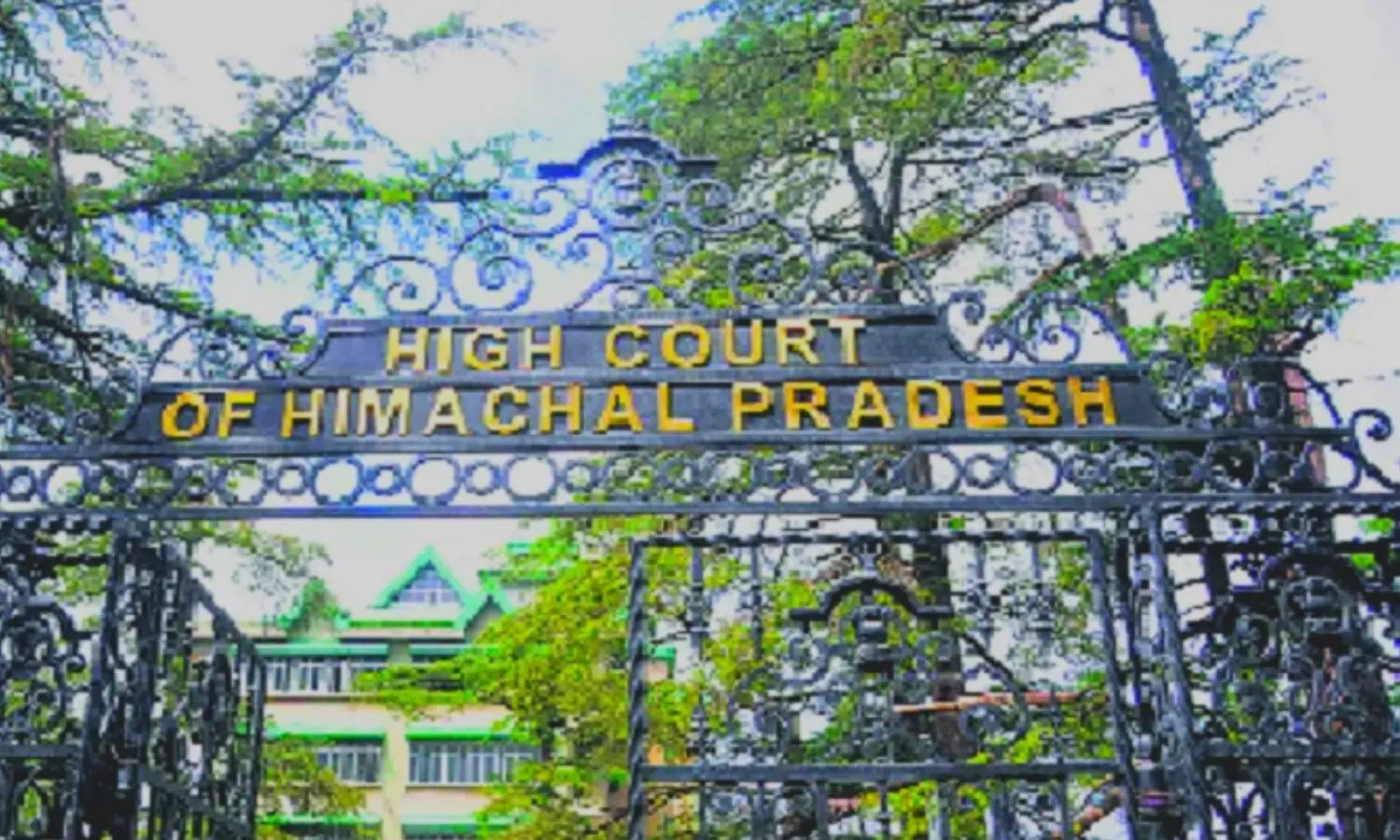
The Himachal Pradesh High Court has issued a clear and time-bound directive to the state government to conduct panchayat elections by April 30, 2026. The order, passed on January 15, 2026, comes amid prolonged delays in holding rural local body polls. The court observed that democratic governance at the village level cannot be indefinitely postponed. The Himachal HC’s order directing panchayat elections by April 30 imposes a legal obligation on the Congress-led government to complete the election process within the stipulated deadline.
The ruling has far-reaching implications for the HP panchayat election 2026, as panchayats across the state have been functioning without elected representatives. The court reminded the government of its constitutional duty under the 73rd Amendment. With political parties preparing for the HP elections 2026, the judgment has intensified political debate and administrative urgency.
High Court Directive: What the Order Says
A division bench of the Himachal Pradesh High Court issued the Himachal High Court directive while hearing a public interest petition. The court directed the state to complete the entire panchayat election process by April 30, 2026. It noted that elections were constitutionally mandated every five years.
The bench observed that continued postponement violates democratic principles. It directed the Election Commission, Himachal, to prepare and notify an election schedule without further delay. The court warned that administrative reasons cannot override constitutional mandates. The HC order on the 2026 panchayat polls stressed accountability and compliance.
Background of the Delay Under the Congress Government
Panchayat elections in Himachal Pradesh were due in January 2021. However, they have been postponed repeatedly. The Congress government cited multiple reasons since assuming office in December 2022.
Officials pointed to changes in reservation rosters and delimitation exercises. Natural disasters, including the devastating monsoon floods of July–August 2023, were also cited. These floods affected over 12 districts and caused damages exceeding ₹10,000 crore, disrupting administrative machinery.
Despite these reasons, the court noted that the delays had exceeded reasonable limits. The absence of elected panchayats has raised concerns over local governance in Himachal Pradesh.
Constitutional Mandate for Panchayat Elections
The court strongly referred to Article 243E of the Constitution. It mandates panchayat elections every five years. Any extension is allowed only under exceptional circumstances.
The High Court noted that administrative convenience cannot defeat constitutional democracy. Panchayats are the foundation of decentralized governance. The judgment reaffirmed that elected local bodies are essential for accountability and public participation.
The ruling reinforces the constitutional spirit behind the 2026 panchayat elections and strengthens democratic norms.
Reasons Cited by the State Government
The state government argued that reservation rotation and ward restructuring required more time. Officials also cited staff shortages and the need to fulfill disaster recovery duties.
The government told the court that updated electoral rolls were necessary. It also mentioned logistical challenges in remote hill areas. However, the bench remained unconvinced.
The court stated that such reasons cannot justify indefinite postponement. It emphasized planning and preparedness.
Court’s Observations on Democratic Decentralization
The High Court made strong observations on grassroots democracy. It said village self-governance cannot function through bureaucratic arrangements alone.
The court stressed that elected representatives ensure transparency in development works. It added that prolonged administrative control weakens public trust.
The ruling highlighted the importance of decentralization as a democratic principle. It warned against setting a dangerous precedent by repeatedly delaying.
April 30 Deadline and Compliance Timeline
The court fixed April 30, 2026, as the final deadline. It directed the government to issue notifications promptly.
The Himachal HC’s order directing panchayat elections by April 30 requires coordination between departments. The State Election Commission has been asked to submit progress updates if needed.
The court made it clear that no further extensions would be entertained. Non-compliance could invite contempt proceedings.
Role of the State Election Commission
The Election Commission of Himachal plays a central role in executing the order. It is responsible for preparing electoral rolls and scheduling polls.
Officials said preparatory work had already begun. Polling will cover over 3,200 gram panchayats, 322 panchayat samitis, and 12 Zilaparishads.
The Commission will deploy thousands of polling staff across rugged terrain. Ensuring free and fair elections remains its primary mandate.
Administrative and Logistical Challenges Ahead
Conducting elections in Himachal Pradesh poses unique challenges. Difficult geography and weather conditions complicate logistics.
Officials must also manage disaster-prone areas and remote villages. Adequate security arrangements will be required.
Despite these challenges, the court noted that such factors are recurring and manageable. Planning must overcome obstacles.
Political Reactions Across Parties
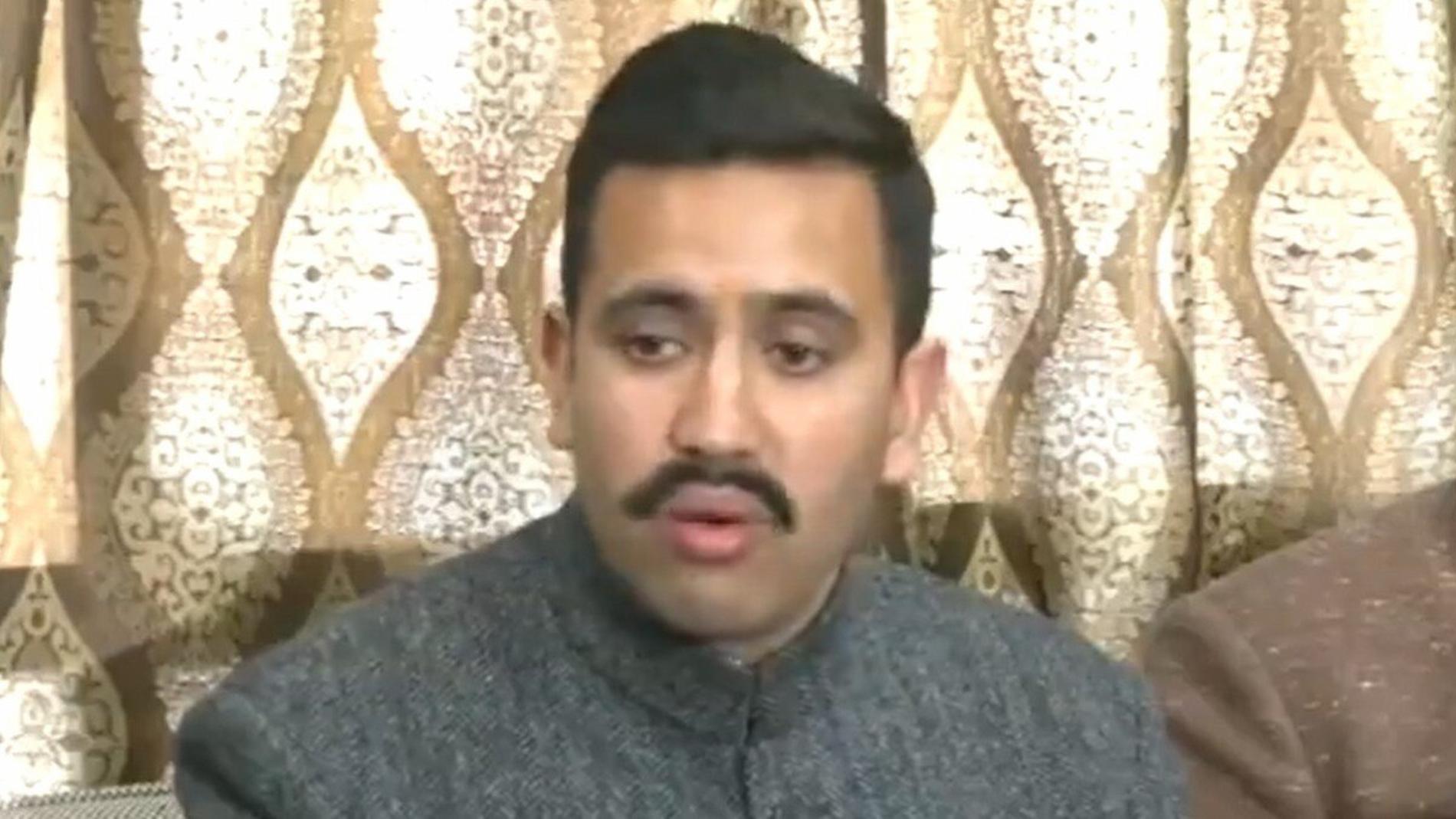
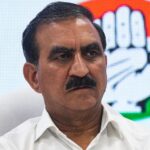
Political reactions were swift. Chief Minister Sukhvinder Singh Sukhu said the government respects the judiciary. He assured compliance with the order.
Former Chief Minister and BJP leader Jai Ram Thakur welcomed the ruling. He accused the Congress of undermining democracy.
Other Himachal Politicians echoed similar views. Opposition leaders said the delay hurt rural development. The issue has dominated Himachal political news cycles.
Impact on Grassroots Governance
The absence of elected panchayats has affected development works. Funds under schemes like MGNREGA faced delays.
Local grievance redressal weakened without representatives. The elections will restore accountability and participation.
The HP rural local body election 2026 is expected to revive village-level planning and monitoring.
Implications for Panchayat Elections 2026
The ruling sets a strong precedent. It signals judicial intolerance for election delays.
The HP panchayat election 2026 will also shape political narratives ahead of the Assembly polls. Rural voters form a decisive bloc.
Political parties are expected to intensify grassroots mobilization.
Consequences of Non-Compliance
The court clearly warned of legal consequences. Failure to meet the deadline could invite contempt proceedings.
Such action would have severe administrative and political fallout. The government has limited room for delay.
The ruling reinforces the binding nature of judicial oversight.
Himachal HC directs panchayat elections by April 30: Why It Matters.
This order reinforces constitutional democracy. It restores the primacy of elected governance.
The judgment strengthens public faith in institutions. It sends a clear message on accountability and the rule of law.
To Conclude
The High Court’s directive marks a decisive moment for rural democracy in Himachal Pradesh. By enforcing a strict deadline, the judiciary has upheld constitutional values and democratic accountability. The coming months will test the state’s administrative resolve.
Follow credible Himachal political news for updates on election schedules and developments in rural governance.